
Feb 9, 2026
วางระบบ Home Security อย่างไร ให้เหมาะกับบ้านยุคใหม่และการใช้ชีวิตที่เปลี่ยนไป
Home Security Systems and Adaptability to Modern Lifestyles
Home security systems, defined as integrated solutions designed to protect residential properties from unauthorized access and other hazards, have evolved significantly to meet the needs of modern living. With changing household structures, increased use of smart technologies, and rising concerns over safety, the design and deployment of these systems require a strategic approach that blends technology, user behavior, and environmental context. According to the Consumer Technology Association, over 40% of U.S. households now use smart home security devices, highlighting the widespread adoption and importance of these systems in contemporary living. This article explores how to design home security systems suitable for today’s homes by detailing the essential components, technological trends, user-centric customization, and integration with lifestyle changes.
Defining Home Security Systems in the Context of Modern Homes
Home security systems encompass a variety of devices and services aimed to protect residential buildings and their occupants. As defined by security expert Dr. James Thompson from the National Institute of Security Technologies, a home security system is “an interconnected framework of sensors, alarms, cameras, and monitoring services that continuously safeguard a property.” Modern home security systems are characterized by connectivity, automation, and adaptability to occupant behavior.
Key characteristics include real-time alerts, remote monitoring via smartphones, integration with Internet of Things (IoT) devices, and AI-powered threat detection. For example, systems equipped with video analytics can differentiate between animals, humans, and vehicles, reducing false alarms. The global smart home security market size is projected to reach USD 39 billion by 2028, reinforcing the trend toward technology-enhanced protection.
Subcategories (hyponyms) within home security systems include:
- Intrusion detection systems (motion sensors, door/window contacts)
- Video surveillance systems (CCTV, IP cameras)
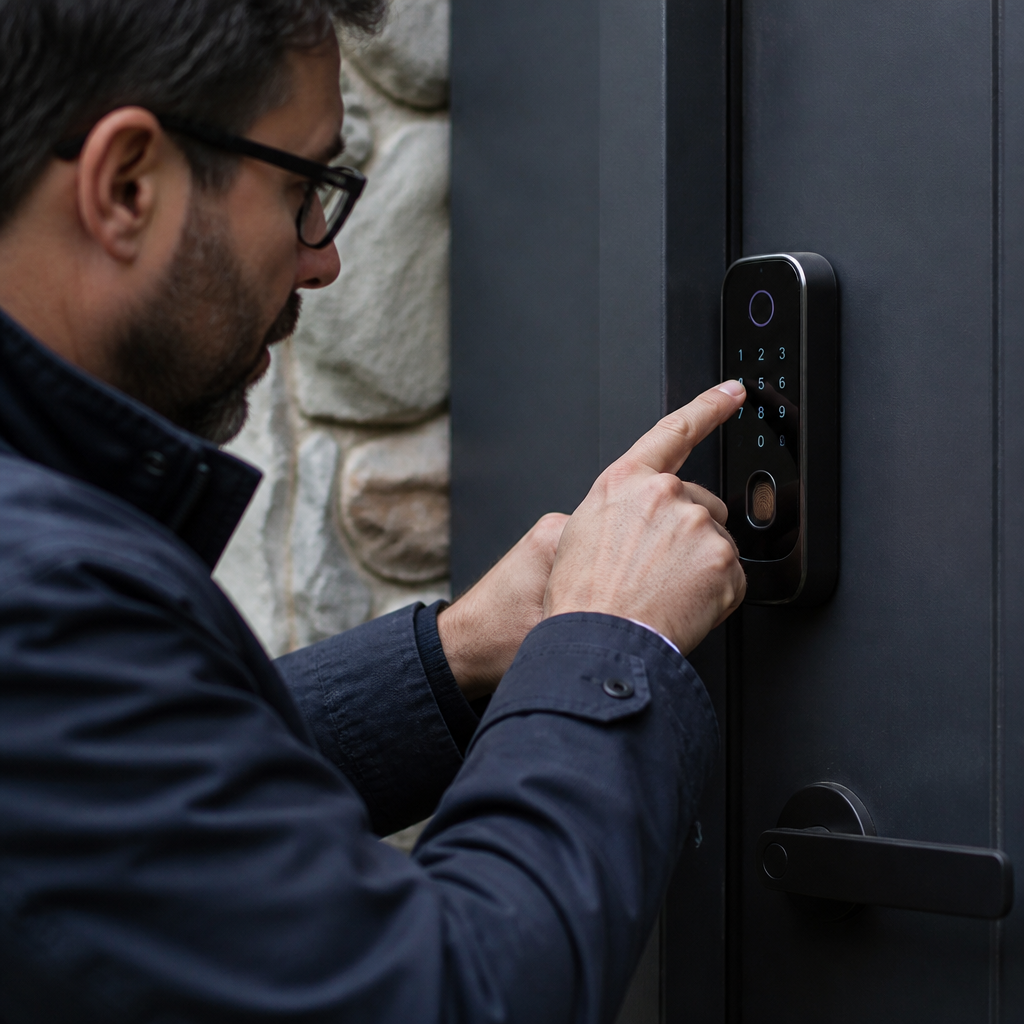
- Access control systems (smart locks, biometric readers)
- Environmental hazard detection (smoke, CO sensors)
- Remote monitoring and professional alarm services
These components collectively provide a layered security approach, vital for the diverse demands of modern residential spaces.
Smart Integration and Automation in Home Security Systems
The integration of smart technology into home security systems allows for automation and remote control, enhancing both security effectiveness and user convenience. According to a 2023 report by Statista, the penetration of smart home devices, including security cameras and smart locks, reached over 35% in developed countries.
Definition and Scope of Smart Home Security Integration
Smart home security integration refers to the connection of security devices with other home automation systems, enabling centralized management through smartphones or voice assistants. This integration facilitates real-time monitoring, automated responses (e.g., locking doors after a certain time), and scenario programming such as triggering lights or alarms based on detected movements.
Validation Through Usage Data and Benefits
Studies show that homes equipped with automated security systems experience 30% fewer break-ins (Journal of Security Studies, 2022). Additionally, user surveys reveal improved peace of mind and reduced false alarm rates through smarter detection technologies.
User-Centric Customization in Home Security Strategies
Security needs vary widely depending on household composition, location, and lifestyle. Customizing a home security system means tailoring device types, monitoring levels, and alert preferences to fit specific user requirements. For example, families with young children may prioritize environmental hazard sensors, while frequent travelers might prefer remote video monitoring and professional alarm response services.
Definition of User-Centric Customization
User-centric customization involves designing the security system configuration based on personalized risk profiles, daily routines, and technological comfort levels. This approach is supported by frameworks such as the Cybersecurity and Infrastructure Security Agency’s (CISA) guidelines, which emphasize adaptability and user engagement in system configuration.
Supporting Evidence and Examples
A recent survey by SafeHome.org (2023) found that 68% of smart security system users adjusted alert settings to minimize disturbances, improving both compliance and satisfaction. Case studies of modern urban homes also illustrate the benefits of customized zones, e.g., defining high-security areas like home offices versus common areas.
Adaptation of Home Security to Lifestyle Changes and Environmental Factors
The modern lifestyle—characterized by increased remote work, flexible schedules, and urbanization—demands flexible security systems. Environmental factors such as neighborhood crime rates, climate, and property architecture further influence system design choices.
Remote Work and 24/7 Monitoring Needs
With remote work becoming mainstream, homes have become multifunctional spaces requiring continual security coverage. Systems with cloud-based monitoring and instantaneous mobile alerts help maintain security without physical presence. A 2022 Report by Pew Research Center noted a 50% increase in remote monitoring device sales since 2020.
Environmental Considerations in System Design
Homes in high-risk areas may incorporate additional perimeter sensors, while climate-adaptive devices ensure functionality under harsh weather. For example, weatherproof cameras with night vision and backup power systems maintain surveillance continuity in adverse conditions.
Conclusion: Strategic Home Security for the New Era
Designing effective home security systems in the modern age involves a comprehensive understanding of the technology’s capabilities, user needs, and environmental contexts. By integrating smart technology, allowing user-centric customization, and adapting to evolving lifestyles, homeowners can ensure that their security solutions are both robust and flexible. As the market and technology continue to grow, ongoing education and system updates remain essential. Homeowners are encouraged to assess their specific needs regularly and leverage advancements in smart security to safeguard their homes effectively.
For further reading, exploring resources from the National Institute of Security Technologies and consumer reports on smart home devices can provide deeper insights into tailoring home security systems to personal and environmental requirements.
More Details