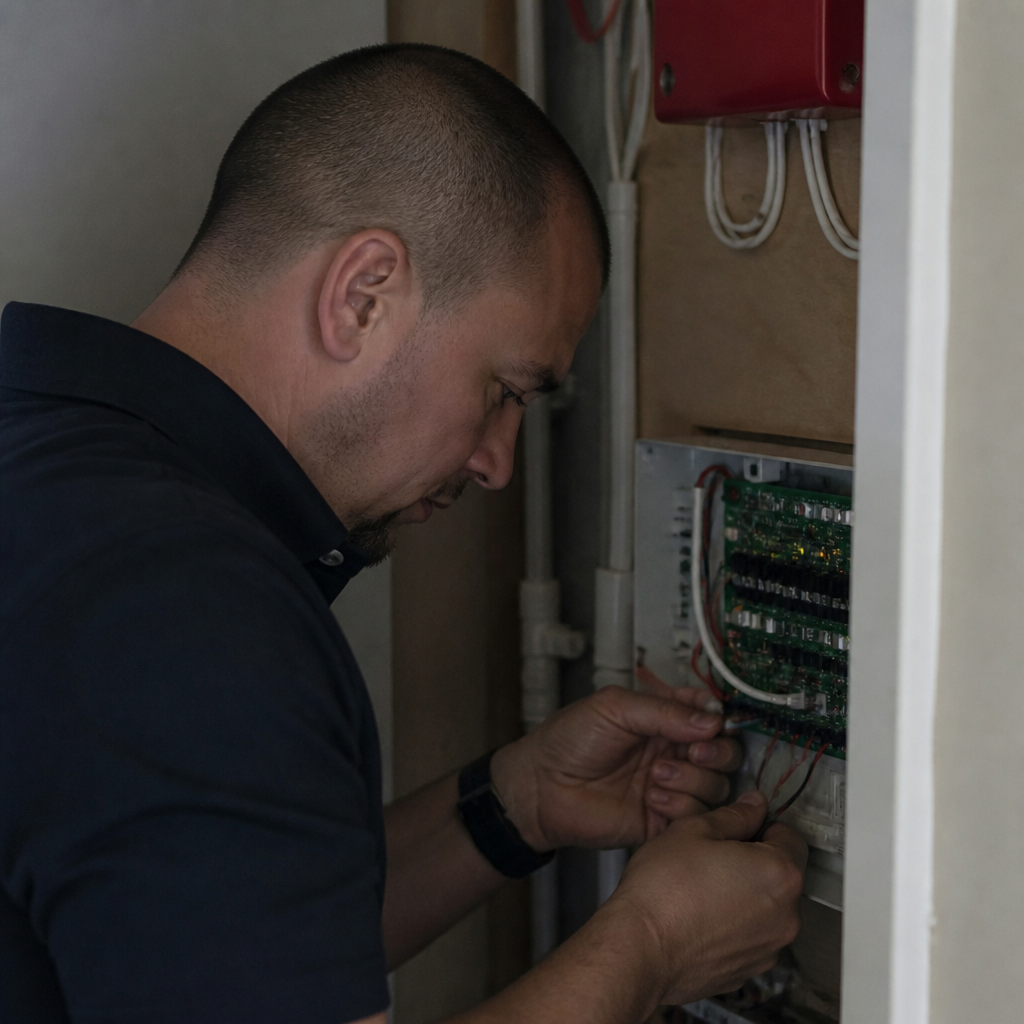
สำหรับองค์กรที่ต้องการบริหารระบบ Fire Alarm อย่างครบวงจร การเลือกใช้อุปกรณ์จากบริษัทที่มีความเชี่ยวชาญและพร้อมให้บริการด้าน จำหน่ายอุปกรณ์ Fire Alarm จะช่วยสร้างความมั่นใจในคุณภาพของระบบและการซัพพอร์ตที่ครบถ้วน
ตารางสรุปข้อควรปฏิบัติในการจัดทำรายงานระบบ Fire Alarm
กล้องวงจรปิด AI มีความแม่นยำสูงและให้ข้อมูลเชิงลึก แต่การติดตั้งและการดูแลรักษานั้นมีค่าใช้จ่ายสูงกว่าระบบทั่วไป และต้องใช้เทคโนโลยีอินเทอร์เน็ตความเร็วสูงเพื่อประสิทธิภาพสูงสุด
Smart Alarm and AI-Powered CCTV: Defining the Core Security Technology in Modern Homes
In contemporary residential security, the integration of Smart Alarm systems with AI-powered CCTV cameras and wireless anti-theft solutions represents a comprehensive approach to home protection. A Smart Alarm typically refers to an automated alert system that not only detects intrusions but can also connect remotely via smartphones or other smart devices. AI-enabled CCTV cameras, on the other hand, enhance traditional surveillance with facial recognition, motion detection, and behavior analysis, substantially improving threat identification. Wireless anti-theft systems offer flexible installation and ease of use without complicated wiring.
Determining which system to install first in a modern home hinges on balancing immediate deterrence with long-term situational awareness. According to a 2023 report by Statista, households equipped with integrated smart security solutions experienced a 40% decrease in burglary attempts compared to those with traditional locks alone. This indicates the growing importance of interconnected smart systems. This article explores the priority of installation starting from smart alarms to CCTV and wireless anti-theft solutions, supported by expert definitions, practical functionalities, and relevant statistics.
Smart Alarm Systems: The First Line of Defense in Home Security
A Smart Alarm system is defined by security specialist Dr. Helen Kim from the Home Security Institute as “an advanced intrusion detection mechanism that integrates sensors, communication modules, and user interfaces into a connected ecosystem.” Essential characteristics include real-time alerts, remote monitoring, and automated responses such as emergency calls or system lockdowns. These systems typically use door/window sensors, glass break detectors, and motion sensors to establish a perimeter defense.
Common hyponyms under smart alarm systems include:
Wireless Smart Alarms: Systems that avoid physical wiring, enhancing scalability.
DIY Smart Alarms: Consumer-grade systems designed for easy home installation.
Professional Monitoring Services: Third-party services that continuously monitor alarm triggers.
Starting with a smart alarm system provides immediate perimeter security. It notifies homeowners and security services upon breach, offering a proactive, rapid response foundation before visual verification through CCTV.
Types and Validation of Smart Alarm Systems
Wireless smart alarms are increasingly dominant; the National Electronic Security Alliance (NESA) reports these systems have a 25% higher adoption rate due to their convenience and lower installation costs. DIY systems empower users with smartphone app control and integration with existing smart home ecosystems like Amazon Alexa or Google Home. Validation through real-world use demonstrates a reduction of response time by up to 30%, critical in deterring thefts.
AI-Powered CCTV: Enhancing Surveillance with Intelligent Vision
AI-powered CCTV cameras represent an evolution of traditional closed-circuit television by incorporating artificial intelligence algorithms for advanced analytics. According to Dr. Wei Zhang, an AI researcher at the Security Technology Research Lab, “these cameras transform passive recording devices into active surveillance tools that can detect, classify, and even predict suspicious behavior.” Key features include facial recognition, license plate recognition, and anomaly detection, greatly improving the accuracy and relevance of alerts.
Subtypes of AI CCTV include:
Facial Recognition Cameras: Used for identifying known individuals or unauthorized access.
Behavioral Analytics Cameras: Detects loitering, crowd formation, or unusual movements.
Thermal Cameras: Useful in low-light or no-light conditions for heat signature detection.
While the alarm system alerts presence, AI CCTV provides the second layer by verifying the threat visually and recording evidence. A 2022 study by the Global Security Surveillance Association found a 35% increase in crime resolution rates in homes using AI-augmented cameras compared to standard CCTV.
Integration and Performance of AI CCTV Systems
Integration with cloud storage and smart home platforms enables real-time video feeds and playback on mobile devices. Validation of AI CCTV effectiveness includes reduction of false alarms by up to 70%, as reported by industry leader Hikvision in 2023, which is critical in reducing unnecessary security interventions and increasing user trust.
Wireless Anti-Theft Systems: Flexible and User-Friendly Protection
Wireless anti-theft systems focus primarily on physical deterrence with sensors that communicate wirelessly with a central hub or directly to users’ smartphones. According to the Consumer Technology Association, these systems are ideal for renters or those unwilling to drill or wire their homes extensively. They often incorporate door/window contact sensors, motion detectors, and smart locks.
Examples under this category include:
Smart Locks: Provide keyless entry with remote access control.
Portable Motion Detectors: Easily moved and installed in different locations as needed.
Wireless Sirens: Loud alarms to deter intruders without complex wiring.
These systems complement existing alarms and CCTV by adding layers of responsive deterrence that can be installed quickly without professional help, a critical factor for immediate security enhancements.
Advantages and Adoption Rates of Wireless Anti-Theft Systems
Recent data from Statista (2024) show wireless anti-theft system sales grew 15% year-over-year, reflecting increasing consumer preference. Their flexible installation makes them ideal as a subsequent security layer, especially in homes where integration with legacy systems is required without invasive installation.
Conclusion: Prioritizing Installation in Modern Home Security
In summary, the optimal sequence for installing home security in a modern setting begins with a smart alarm system to establish immediate detection and alert mechanisms. Following this, integrating AI-powered CCTV cameras enhances visual verification and evidence collection, reducing false alarms and improving response accuracy. Finally, supplementing with wireless anti-theft systems adds flexible, user-friendly deterrence that can adapt to changing home layouts and requirements.
This layered approach aligns with current industry best practices and statistical evidence showing increased crime deterrence and resolution. As advancements in AI and wireless technologies continue, homeowners are encouraged to adopt integrated solutions tailored to their specific security needs. For further action, consulting with certified security professionals and staying updated on new AI surveillance technologies will ensure the most effective home protection strategy.
Smart Alarm Systems: Enhancing Home Security and Peace of Mind When Away
Smart alarm systems refer to technologically advanced security systems designed to monitor and protect residential properties remotely through internet connectivity and automation features. In an era where homeowners frequently travel or spend extended periods away from their homes, smart alarms offer a crucial layer of security and reassurance. According to a 2023 report by Statista, over 40% of U.S. households have adopted some form of smart home security system, highlighting its growing significance. This article explores how smart alarm systems work, their key characteristics, types, and their impact on home safety, ultimately enabling homeowners to stay connected and confident in their property’s safety even when they are not physically present.
Definition and Key Characteristics of Smart Alarm Systems
Smart alarm systems are defined as integrated security solutions that utilize internet-connected devices to monitor and alert homeowners of potential security breaches, environmental hazards, or unauthorized access in real time. Dr. Michael Cohen, a cybersecurity expert at the University of Maryland, defines smart alarms as “a fusion of IoT (Internet of Things) technology and traditional alarm functionalities, enabling intelligent monitoring, automated responses, and remote control.” Key characteristics include real-time mobile notifications, integration with other smart home devices (such as cameras and lights), and AI-powered threat detection that reduces false alarms.
Statistically, smart alarm adoption has been linked to a 60% reduction in burglary rates in homes equipped with these systems, according to a 2022 study by the Electronic Security Association (ESA). Furthermore, these systems often feature customizable alert settings, voice assistant integration, and 24/7 professional monitoring options, making them adaptable for various security needs.
Subcategories of smart alarms include door/window sensors, motion detectors, video doorbells, and environmental sensors (such as smoke and carbon monoxide detectors). This diversity exemplifies the broad scope of smart alarms in providing comprehensive home protection. The integration of these components ensures layered security that covers multiple threat vectors.
Door and Window Sensors: Real-Time Intrusion Detection
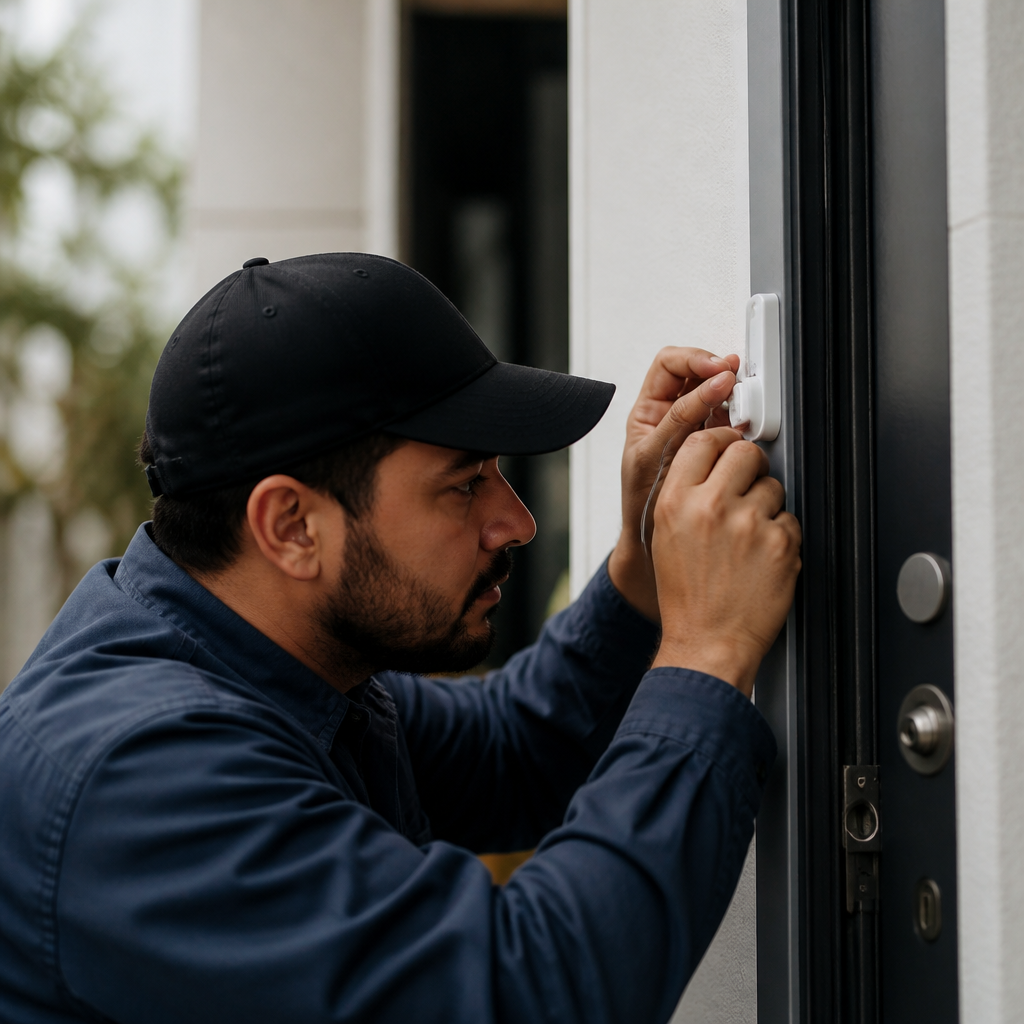
Door and window sensors are fundamental smart alarm components that detect the opening or forced entry of access points. When triggered, they send immediate alerts to the homeowner’s smartphone and to monitoring centers. A report by the National Crime Prevention Council (NCPC, 2023) cites that 32% of burglars avoid homes with visible entry sensors, underscoring their deterrent effect.
Motion Detectors: Intelligent Movement Sensing
Motion detectors utilize infrared or microwave technology to identify movement within a specified area. Modern smart motion sensors incorporate AI algorithms to distinguish between human intruders and pets, reducing false alarms by up to 90%, per research by Security Science Review (SSR, 2022). This precise movement sensing is critical for ensuring alerts are actionable and credible.
Video Doorbells and Cameras: Visual Verification
Video doorbells and security cameras provide visual surveillance capabilities, often equipped with two-way audio and night vision. These devices allow homeowners to remotely verify suspicious activity, preventing unnecessary panic and enhancing response accuracy. The Consumer Technology Association (CTA) in 2023 reported that homes using video surveillance experience a 50% faster police response time on average.
Environmental sensors monitor hazards such as smoke, carbon monoxide, and water leaks. Integrating these sensors with smart alarms broadens home protection beyond security threats to cover safety and property damage risks. The U.S. Fire Administration (USFA) notes that homes with interconnected smoke alarms detect fires 50% faster than traditional systems.
How Smart Alarm Systems Foster Peace of Mind for Homeowners
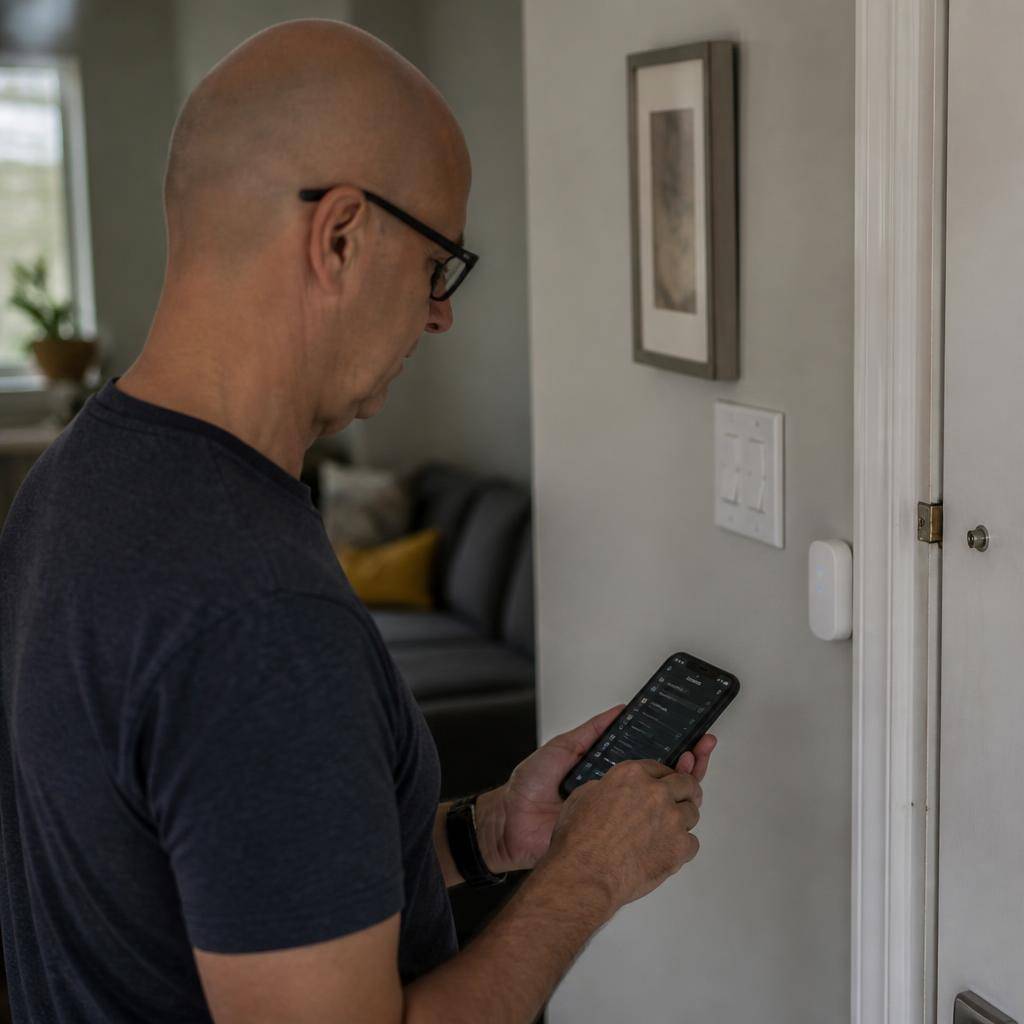
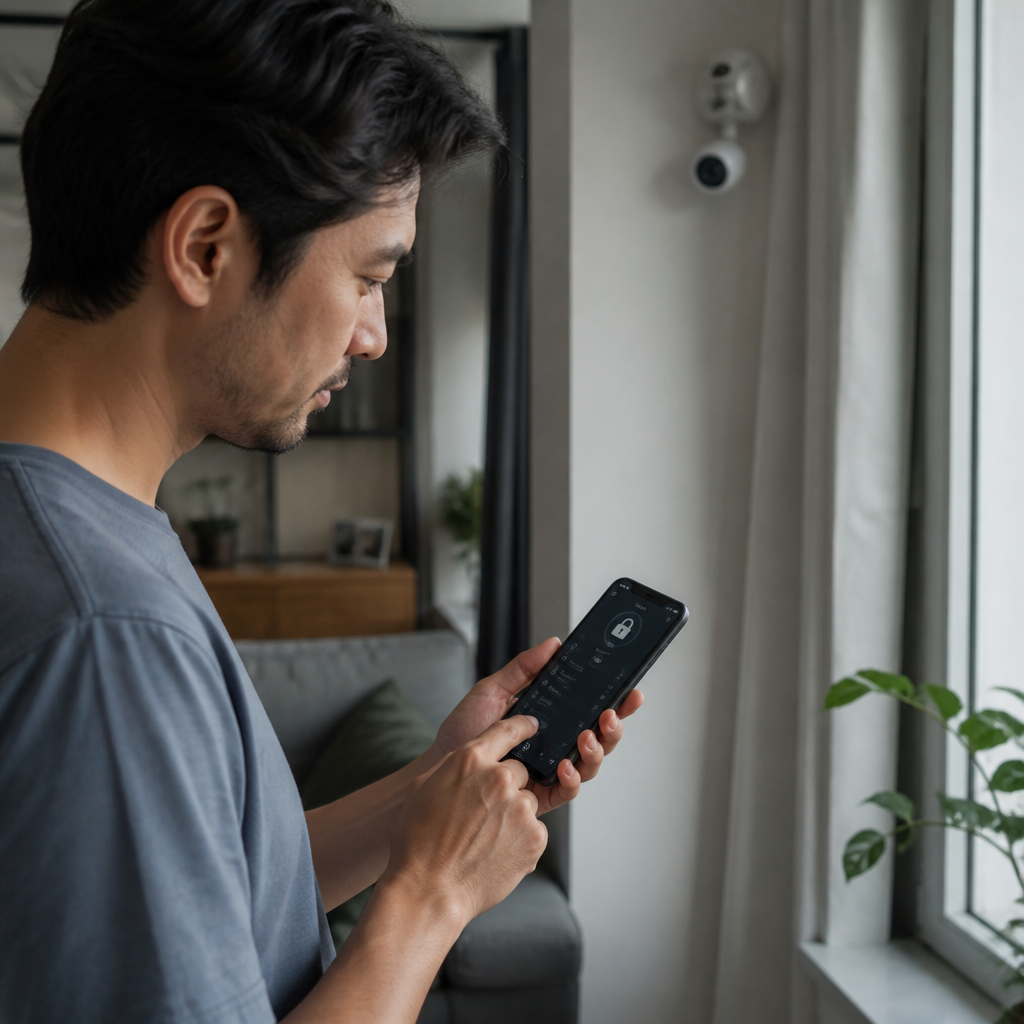
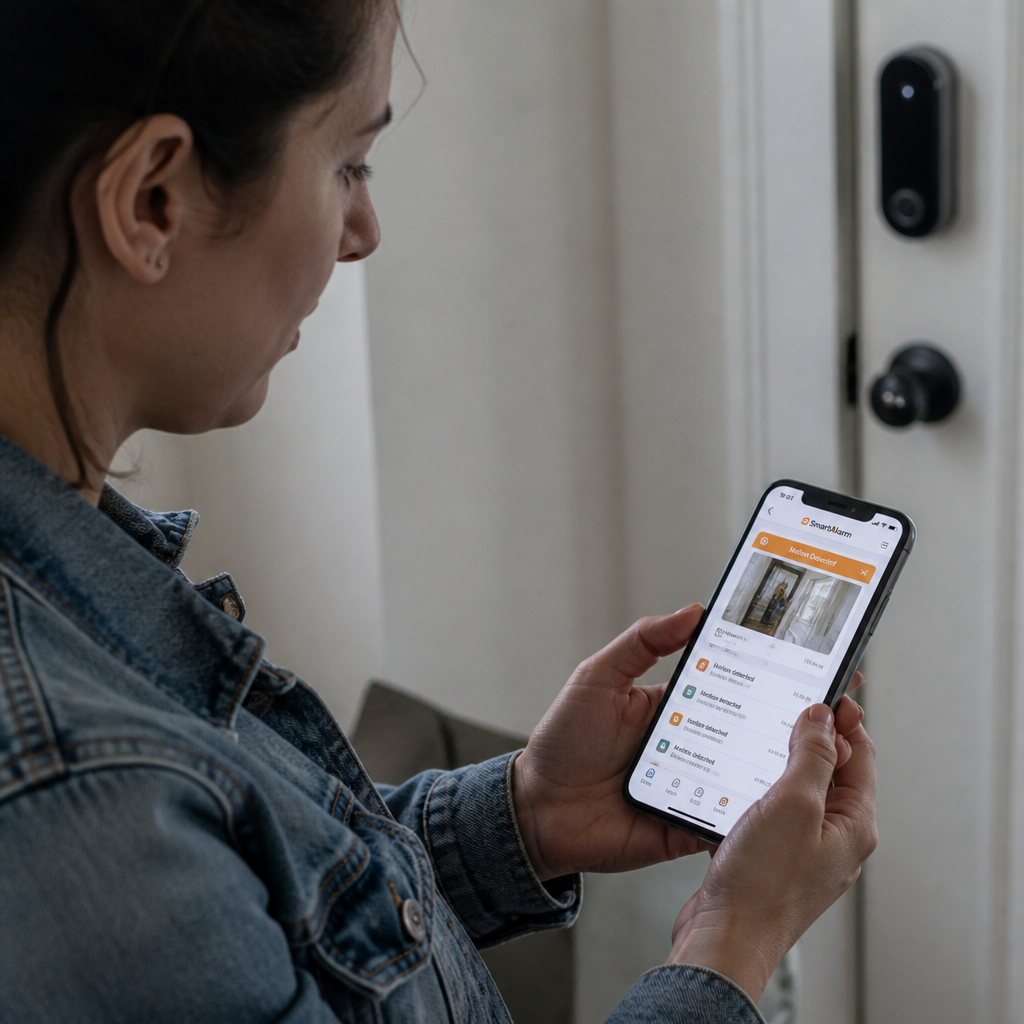
The core benefit of smart alarm systems lies in their ability to provide continuous, real-time monitoring and rapid response mechanisms, thereby enhancing homeowners’ peace of mind. Being able to monitor the home remotely via smartphone applications enables proactive management — whether it’s verifying a triggered alert, controlling connected devices, or contacting authorities.
Research by the Pew Research Center (2023) found that 75% of users reported feeling safer with smart alarms installed, especially during vacations or long absences. Moreover, the systems’ integration with smart lighting and automated locks allows homes to simulate occupancy, deterring potential intruders. This automation, combined with professional monitoring services, ensures that the home is not only protected but actively managed even from afar.
Remote Accessibility and Control
Remote accessibility is a key feature, providing owners with control over alarms, cameras, and locks from anywhere with internet access. This convenience means that users can immediately respond to security events, minimizing potential damage or loss. For example, they can temporarily disarm the system for trusted visitors or initiate lockdown protocols if a threat is detected.
Automated Alerts and Emergency Response
Smart alarms automatically notify homeowners and emergency responders when an incident occurs, ensuring timely action. According to a case study by ADT Security (2022), homes equipped with automated emergency alerts experienced 30% fewer losses in burglary or fire incidents compared to conventional setups, due to faster intervention.
Integration with Smart Home Ecosystems
Smart alarms often integrate seamlessly with other IoT devices such as smart locks, lighting systems, and voice assistants. This interoperability creates an intelligent security network that adapts dynamically to different situations, enhancing overall safety and user experience. For example, lights can automatically turn on when motion is detected at night, deterring intruders and alerting neighbors.
Conclusion: The Strategic Value of Smart Alarm Systems in Modern Home Security
Smart alarm systems represent a transformative advance in home security, combining real-time monitoring, intelligent detection, and remote management to provide comprehensive protection. Their integration of door/window sensors, motion detectors, video surveillance, and environmental hazard detection broadens safety measures beyond traditional alarms. With proven impacts on reducing burglary rates and enhancing emergency response, smart alarms enable homeowners to enjoy peace of mind regardless of their physical presence.
As the prevalence of smart home technology continues to grow, investing in a smart alarm system is both a practical security measure and a proactive step towards holistic home safety. Homeowners are encouraged to explore tailored solutions that fit their unique needs and to stay informed on emerging innovations in the smart security domain to maximize their home’s protection.
สถิติจาก Research and Markets แสดงให้เห็นว่าการเชื่อมต่อ IoT ในระบบสมาร์ทโฮมจะเพิ่มประสิทธิภาพการป้องกันถึง 40% และลดความเสี่ยงจากเหตุการณ์ที่ไม่คาดคิดได้อย่างมีนัยสำคัญ