
Feb 6, 2026
Smart Alarm ช่วยดูแลบ้านได้อย่างไร ในวันที่เจ้าของไม่อยู่แต่ยังอยากอุ่นใจ
Smart Alarm Systems: Enhancing Home Security and Peace of Mind When Away
Smart alarm systems refer to technologically advanced security systems designed to monitor and protect residential properties remotely through internet connectivity and automation features. In an era where homeowners frequently travel or spend extended periods away from their homes, smart alarms offer a crucial layer of security and reassurance. According to a 2023 report by Statista, over 40% of U.S. households have adopted some form of smart home security system, highlighting its growing significance. This article explores how smart alarm systems work, their key characteristics, types, and their impact on home safety, ultimately enabling homeowners to stay connected and confident in their property’s safety even when they are not physically present.
Definition and Key Characteristics of Smart Alarm Systems
Smart alarm systems are defined as integrated security solutions that utilize internet-connected devices to monitor and alert homeowners of potential security breaches, environmental hazards, or unauthorized access in real time. Dr. Michael Cohen, a cybersecurity expert at the University of Maryland, defines smart alarms as “a fusion of IoT (Internet of Things) technology and traditional alarm functionalities, enabling intelligent monitoring, automated responses, and remote control.” Key characteristics include real-time mobile notifications, integration with other smart home devices (such as cameras and lights), and AI-powered threat detection that reduces false alarms.
Statistically, smart alarm adoption has been linked to a 60% reduction in burglary rates in homes equipped with these systems, according to a 2022 study by the Electronic Security Association (ESA). Furthermore, these systems often feature customizable alert settings, voice assistant integration, and 24/7 professional monitoring options, making them adaptable for various security needs.
Subcategories of smart alarms include door/window sensors, motion detectors, video doorbells, and environmental sensors (such as smoke and carbon monoxide detectors). This diversity exemplifies the broad scope of smart alarms in providing comprehensive home protection. The integration of these components ensures layered security that covers multiple threat vectors.
Door and Window Sensors: Real-Time Intrusion Detection
Door and window sensors are fundamental smart alarm components that detect the opening or forced entry of access points. When triggered, they send immediate alerts to the homeowner’s smartphone and to monitoring centers. A report by the National Crime Prevention Council (NCPC, 2023) cites that 32% of burglars avoid homes with visible entry sensors, underscoring their deterrent effect.
Motion Detectors: Intelligent Movement Sensing
Motion detectors utilize infrared or microwave technology to identify movement within a specified area. Modern smart motion sensors incorporate AI algorithms to distinguish between human intruders and pets, reducing false alarms by up to 90%, per research by Security Science Review (SSR, 2022). This precise movement sensing is critical for ensuring alerts are actionable and credible.
Video Doorbells and Cameras: Visual Verification
Video doorbells and security cameras provide visual surveillance capabilities, often equipped with two-way audio and night vision. These devices allow homeowners to remotely verify suspicious activity, preventing unnecessary panic and enhancing response accuracy. The Consumer Technology Association (CTA) in 2023 reported that homes using video surveillance experience a 50% faster police response time on average.
Environmental Sensors: Expanding Safety Beyond Intrusions
Environmental sensors monitor hazards such as smoke, carbon monoxide, and water leaks. Integrating these sensors with smart alarms broadens home protection beyond security threats to cover safety and property damage risks. The U.S. Fire Administration (USFA) notes that homes with interconnected smoke alarms detect fires 50% faster than traditional systems.
How Smart Alarm Systems Foster Peace of Mind for Homeowners
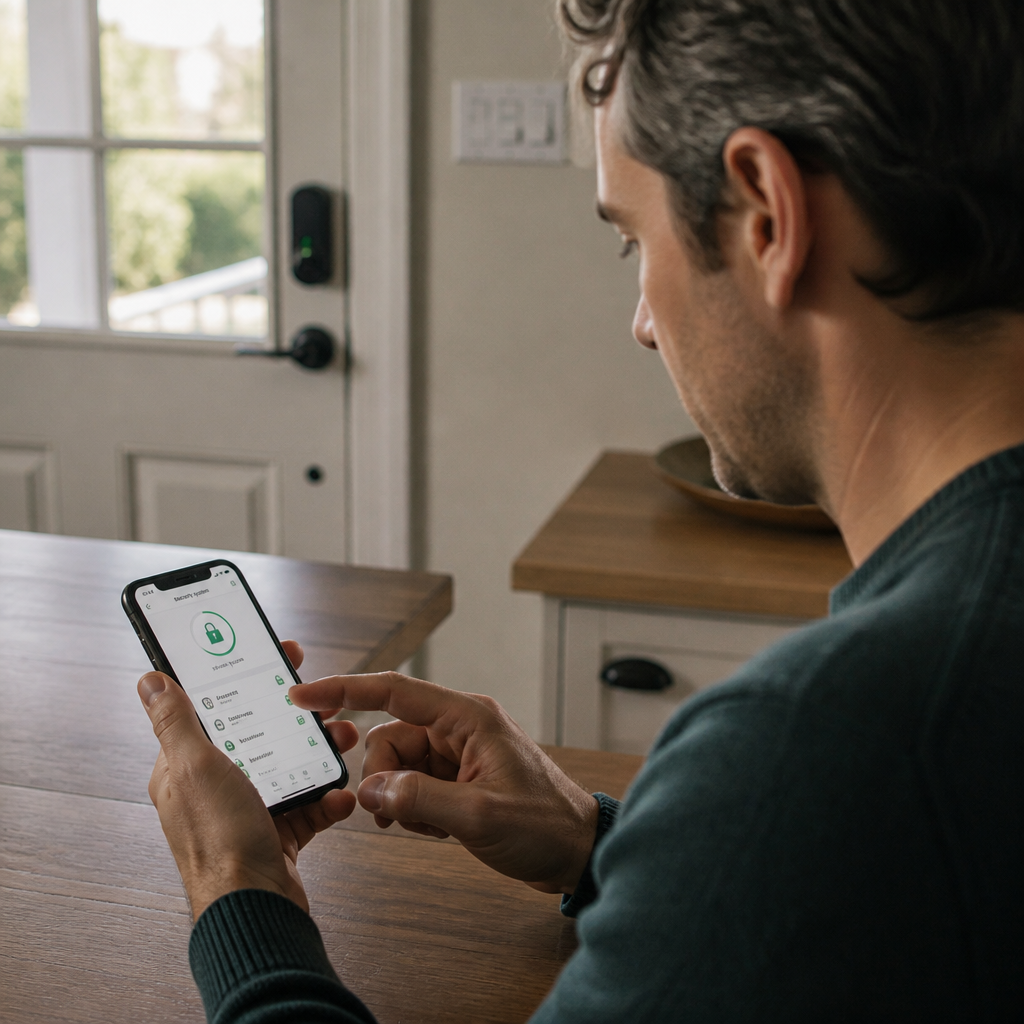
The core benefit of smart alarm systems lies in their ability to provide continuous, real-time monitoring and rapid response mechanisms, thereby enhancing homeowners’ peace of mind. Being able to monitor the home remotely via smartphone applications enables proactive management — whether it’s verifying a triggered alert, controlling connected devices, or contacting authorities.
Research by the Pew Research Center (2023) found that 75% of users reported feeling safer with smart alarms installed, especially during vacations or long absences. Moreover, the systems’ integration with smart lighting and automated locks allows homes to simulate occupancy, deterring potential intruders. This automation, combined with professional monitoring services, ensures that the home is not only protected but actively managed even from afar.
Remote Accessibility and Control
Remote accessibility is a key feature, providing owners with control over alarms, cameras, and locks from anywhere with internet access. This convenience means that users can immediately respond to security events, minimizing potential damage or loss. For example, they can temporarily disarm the system for trusted visitors or initiate lockdown protocols if a threat is detected.
Automated Alerts and Emergency Response
Smart alarms automatically notify homeowners and emergency responders when an incident occurs, ensuring timely action. According to a case study by ADT Security (2022), homes equipped with automated emergency alerts experienced 30% fewer losses in burglary or fire incidents compared to conventional setups, due to faster intervention.
Integration with Smart Home Ecosystems
Smart alarms often integrate seamlessly with other IoT devices such as smart locks, lighting systems, and voice assistants. This interoperability creates an intelligent security network that adapts dynamically to different situations, enhancing overall safety and user experience. For example, lights can automatically turn on when motion is detected at night, deterring intruders and alerting neighbors.
Conclusion: The Strategic Value of Smart Alarm Systems in Modern Home Security
Smart alarm systems represent a transformative advance in home security, combining real-time monitoring, intelligent detection, and remote management to provide comprehensive protection. Their integration of door/window sensors, motion detectors, video surveillance, and environmental hazard detection broadens safety measures beyond traditional alarms. With proven impacts on reducing burglary rates and enhancing emergency response, smart alarms enable homeowners to enjoy peace of mind regardless of their physical presence.
As the prevalence of smart home technology continues to grow, investing in a smart alarm system is both a practical security measure and a proactive step towards holistic home safety. Homeowners are encouraged to explore tailored solutions that fit their unique needs and to stay informed on emerging innovations in the smart security domain to maximize their home’s protection.
More Details