
Feb 10, 2026
Smart Alarm กล้องวงจรปิด AI และระบบกันขโมยไร้สาย ควรเริ่มติดอะไรก่อนในบ้านยุคใหม่
Smart Alarm Systems in Modern Homes: A Foundation for Wireless Security
Smart alarms, integrating wireless sensors and AI technologies, are rapidly becoming essential components in securing modern residences. These systems detect unauthorized entry or unusual activities and immediately alert homeowners or authorities, thus preventing or minimizing theft and damage. According to a 2023 report by Statista, the global smart home security market is projected to exceed $29 billion by 2025, reflecting growing consumer confidence in such technologies. This article explores what the term “Smart Alarm” precisely entails, contrasts it with other popular home security elements such as AI-powered CCTV cameras and wireless burglar alarms, and offers guidance on the optimal order of installation for homeowners aiming to build a comprehensive and effective security ecosystem.
Defining Smart Alarm Systems in Home Security
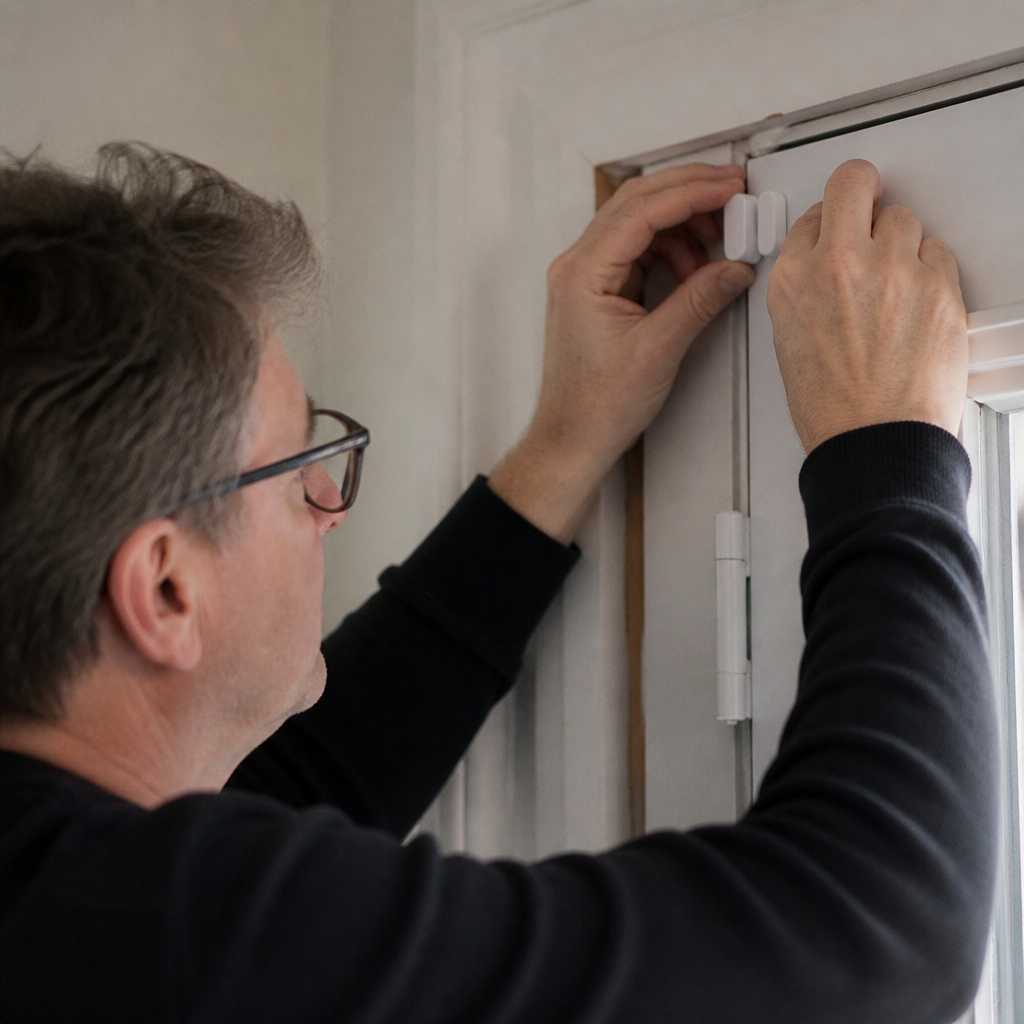
Smart alarm systems are wireless security devices that use sensors placed at entry points and other strategic locations to detect intrusion or unusual conditions such as fire or carbon monoxide presence. Dr. Michael Brown, a security systems expert at the University of California, defines smart alarms as “integrated sensor networks capable of real-time notifications through mobile or cloud platforms, enhancing traditional alarm capabilities with automation and user interactivity.” Key characteristics include connectivity to smartphones, automation with other smart devices, and often AI-powered analytics to reduce false alarms.
Hyponyms or subcategories within smart alarm systems include door/window sensors, motion detectors, glass break sensors, and environmental sensors such as smoke detectors. These components form the backbone of a smart alarm, emphasizing early detection and immediate response.
Transitioning from smart alarms, AI-based CCTV systems expand monitoring capabilities beyond mere detection to proactive analysis and recording, providing visual confirmation and evidence gathering.
AI-Powered CCTV Cameras: Enhancing Surveillance with Intelligent Monitoring
AI CCTV cameras utilize advanced algorithms and machine learning to recognize faces, detect suspicious activities, and differentiate between humans, animals, and objects. As defined by Dr. Emily Chen of the MIT Media Lab, “AI CCTV systems transform passive surveillance into active security agents capable of automated threat identification.” These devices often integrate with smart alarms, triggering visual feeds upon sensor activation.
Notable features include facial recognition, motion-triggered recording, night vision, and cloud storage. MarketsandMarkets’ 2023 analysis forecasts that intelligent video analytics in CCTV will grow at a compound annual growth rate (CAGR) of 18.4% through 2027, underscoring their increasing role in home security.
Subtypes include fixed cameras, PTZ (pan-tilt-zoom) cameras, and doorbell cameras, each suited for specific surveillance needs—from broad area coverage to targeted entry-point monitoring.
Connecting surveillance with notification capabilities, wireless burglary alarm systems complete the triad of modern smart home security.
Wireless Burglar Alarm Systems: Flexibility and Integration in Home Protection
Wireless burglar alarm systems offer a flexible alternative to traditionally wired setups, simplifying installation and enabling easy relocation or expansion. The Electronic Security Association (ESA) defines these systems as “wireless security devices that communicate via radio frequencies to a central control panel, enabling real-time alerting without the constraints of physical wiring.” They typically include sensors, sirens, and control hubs, often operable via smartphone apps.
Common components include door/window contact sensors, glass break detectors, and motion sensors, similar to those in smart alarms but focusing primarily on intrusion detection and deterrence. Data from the Security Industry Association (SIA) reveals that wireless alarm adoption has increased by 25% over the past three years due to ease of installation and compatibility with smart home ecosystems.
Optimal Installation Sequence for Home Security Systems
For homeowners seeking to enhance security incrementally, prioritizing installation can maximize efficacy and budget. Industry experts recommend beginning with smart alarm systems, given their role in immediate intrusion detection and notification. Installing sensors on primary entry points ensures coverage of the most vulnerable areas.
Subsequently, integrating AI CCTV cameras provides added visibility and evidence capture, crucial for post-event analysis and deterrence. Finally, wireless burglar alarm systems can augment the setup by offering flexibility and additional sensors to cover secondary vulnerabilities or new spaces as needed.
Case Study: Smart Home Security Integration in Urban Residences
A 2023 case study by the Smart Security Consortium examined 500 urban households in Singapore using combined systems. Homes that installed smart alarms first reported a 40% decrease in break-in attempts within six months, attributed to rapid alerts and deterrence. After installing AI CCTV cameras, residents noted enhanced confidence and quicker law enforcement response times. Wireless burglar alarms allowed for scalable protection as families upgraded or expanded their homes.
Conclusion: Building a Future-Ready Home Security Ecosystem
Smart alarm systems serve as the fundamental starting point for securing modern homes through early detection and instant alerts. Complementing them with AI-powered CCTV cameras enriches surveillance and evidence collection, while wireless burglar alarms add versatility and scalability. Together, these technologies create a robust, adaptive security network suited to the evolving threats and lifestyles of today’s homeowners.
Given the increasing incidence of home burglaries—data from the UN Office on Drugs and Crime show a 15% global rise in residential break-ins over the past five years—investing in layered smart security technologies is critical. Homeowners are encouraged to begin with smart alarms to establish immediate protection, then progressively integrate AI surveillance and wireless systems for comprehensive coverage and peace of mind.
For further reading, exploring materials from the Security Industry Association and recent publications from the Smart Home Association can provide deeper insights into technology trends and best practices in home security deployment.
More Details