Mar 13, 2026
เทรนด์ระบบรักษาความปลอดภัยบ้านที่ทั่วโลกจับตาในปีนี้และอาจเปลี่ยนวิธีดูแลบ้านไปตลอดกาล

เทรนด์ระบบรักษาความปลอดภัยบ้านในปี 2024 กับวิวัฒนาการที่เปลี่ยนแปลงวิถีชีวิต

ในยุคดิจิทัลที่เทคโนโลยีก้าวหน้าอย่างรวดเร็ว ระบบรักษาความปลอดภัยบ้านกลายเป็นสิ่งจำเป็นที่ผู้คนทั่วโลกให้ความสำคัญมากขึ้น โดยเฉพาะในปี 2024 นี้ เทรนด์ของระบบรักษาความปลอดภัยบ้านได้พัฒนาไปสู่รูปแบบที่ชาญฉลาดและบูรณาการกับชีวิตประจำวันอย่างลึกซึ้ง ระบบเหล่านี้ไม่เพียงแต่ช่วยป้องกันภัยคุกคามจากภายนอกได้อย่างมีประสิทธิภาพ แต่ยังเพิ่มความสะดวกสบายและความมั่นใจในการดูแลบ้านอย่างที่ไม่เคยมีมาก่อน จากข้อมูลรายงานของ MarketsandMarkets ระบุว่าตลาดระบบความปลอดภัยบ้านอัจฉริยะทั่วโลกมีอัตราการเติบโตเฉลี่ยปีละ 11.6% และคาดว่าจะมีมูลค่าถึง 74 พันล้านดอลลาร์สหรัฐในปี 2026

ระบบรักษาความปลอดภัยบ้านอัจฉริยะ (Smart Home Security) ในปี 2024

ระบบรักษาความปลอดภัยบ้านอัจฉริยะหมายถึงเทคโนโลยีที่ integrative สามารถเชื่อมโยงอุปกรณ์ต่างๆ ผ่านอินเทอร์เน็ตและระบบคลาวด์เพื่อเฝ้าระวังและควบคุมบ้านจากระยะไกลได้แบบเรียลไทม์ ดร.เจนนิเฟอร์ ลี ผู้เชี่ยวชาญด้านเทคโนโลยีสมาร์ทโฮมจากมหาวิทยาลัยแคลิฟอร์เนียให้คำจำกัดความว่า “Smart Home Security คือระบบที่ใช้เทคโนโลยี Internet of Things (IoT) เพื่อเชื่อมต่อและประสานงานอุปกรณ์รักษาความปลอดภัยในบ้านให้สามารถตอบสนองต่อสถานการณ์ภัยคุกคามได้อย่างรวดเร็วและมีประสิทธิภาพ”

ลักษณะสำคัญของระบบนี้ ได้แก่ การเข้าถึงข้อมูลผ่านแอปพลิเคชันมือถือ การแจ้งเตือนแบบทันที การควบคุมระบบโดยใช้เสียงและ AI รวมถึงการวิเคราะห์พฤติกรรมที่ผิดปกติ นอกจากนี้ ยังมีการบูรณาการกับระบบบ้านอัจฉริยะอื่นๆ เช่น การควบคุมไฟและการล็อคประตูอัตโนมัติ

กล้องวงจรปิดอัจฉริยะ (Smart CCTV)

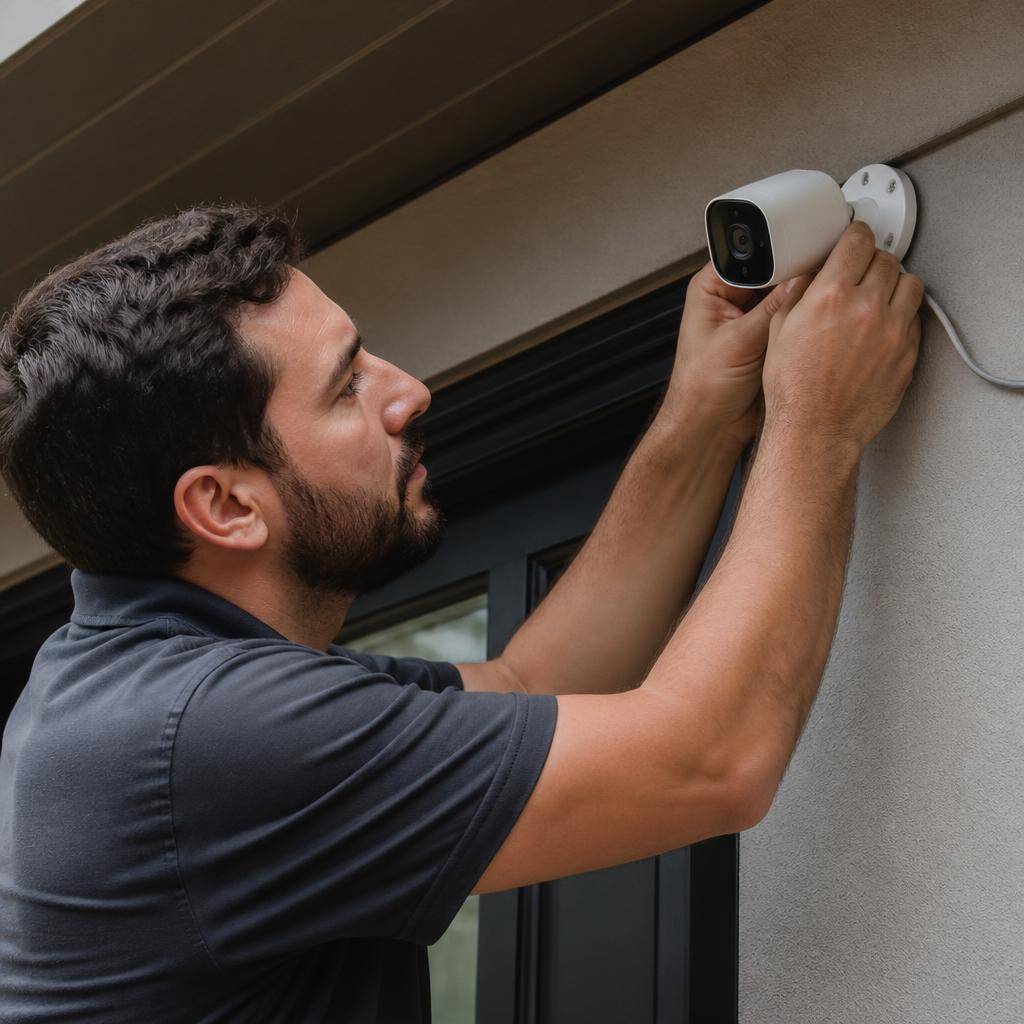
กล้องวงจรปิดอัจฉริยะคือกล้องที่มีฟังก์ชันการตรวจจับใบหน้า การจดจำบุคคล และการแจ้งเตือนเมื่อพบพฤติกรรมผิดปกติ จากรายงานของ Statista พบว่ากล้องวงจรปิดที่มีระบบ AI เพิ่มขึ้นถึง 35% ในปีที่ผ่านมา เนื่องจากประสิทธิภาพในการป้องกันเหตุการณ์ไม่พึงประสงค์และความสามารถในการบันทึกวิดีโอที่มีคุณภาพสูง

เซ็นเซอร์ตรวจจับการเคลื่อนไหวและเสียง

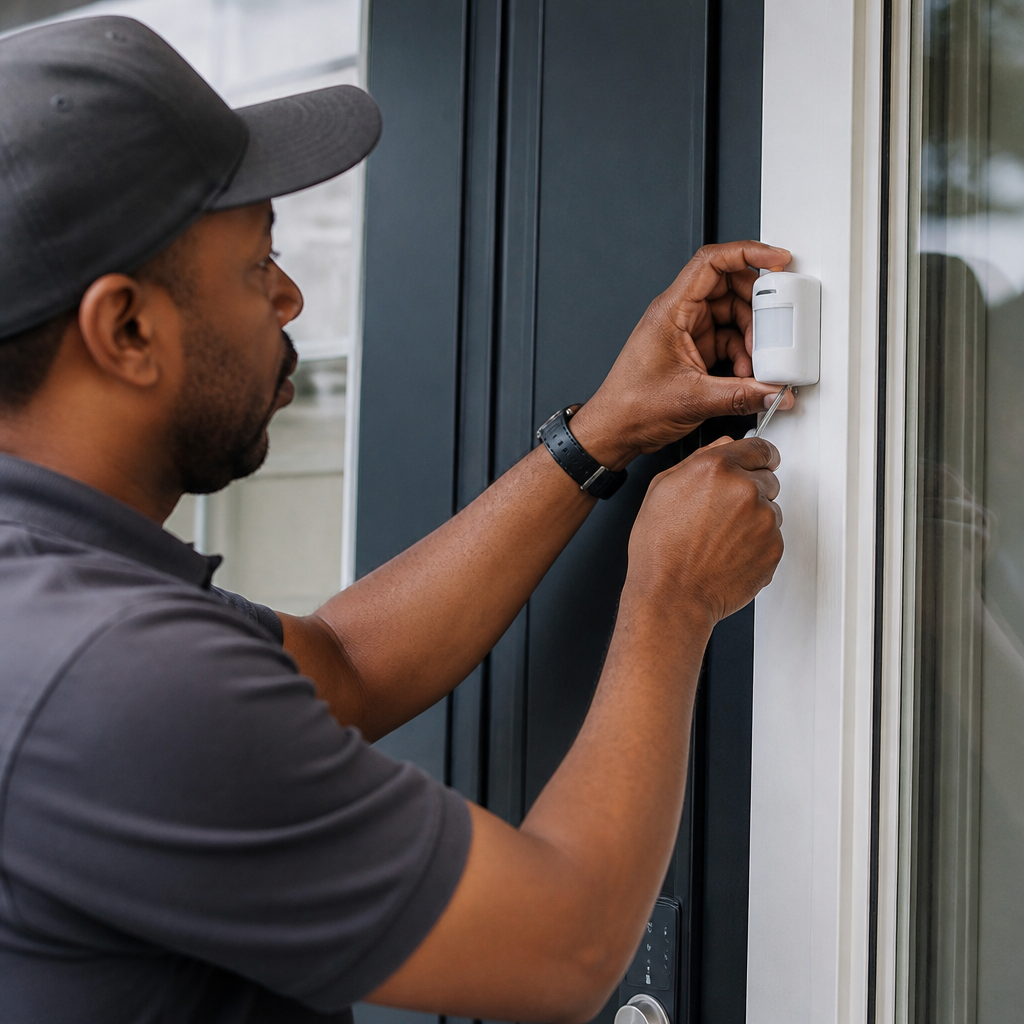
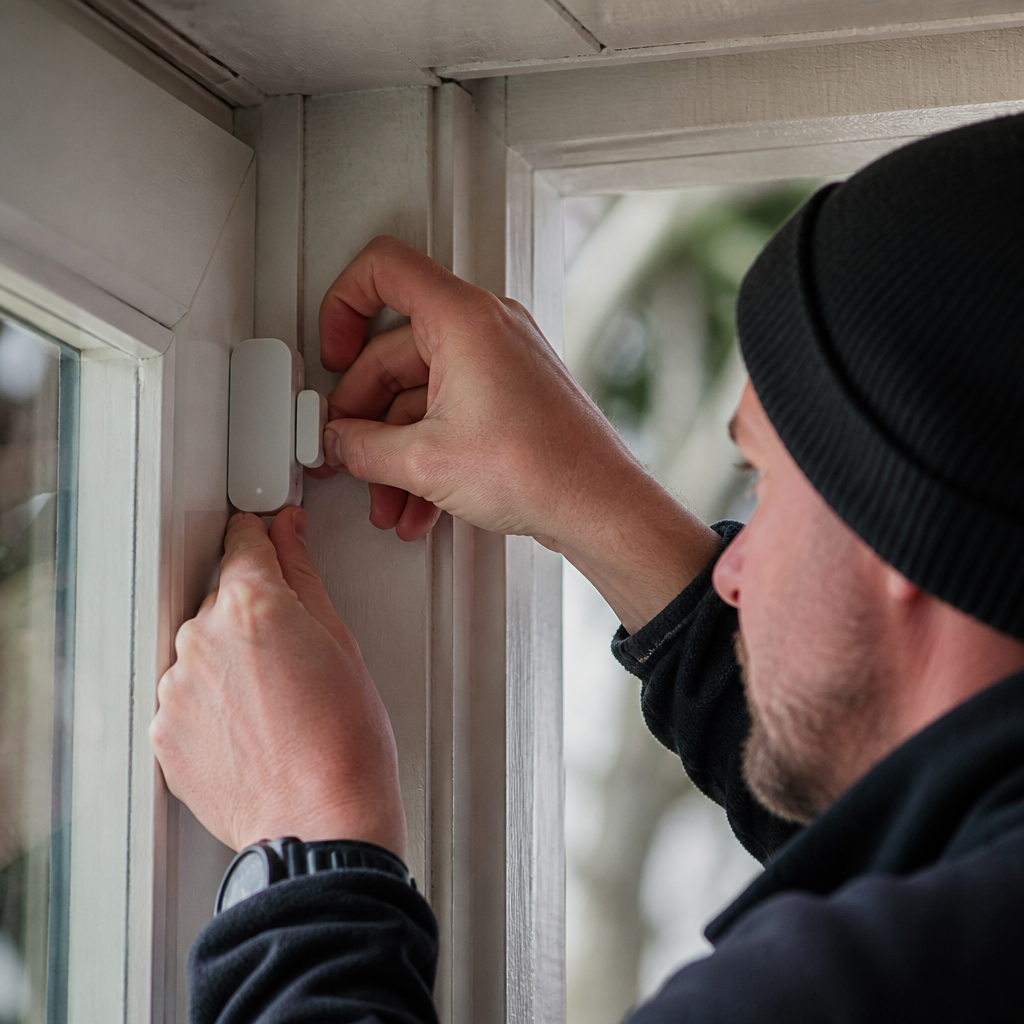
เซ็นเซอร์เหล่านี้ออกแบบมาเพื่อตรวจจับความเคลื่อนไหวที่ผิดปกติหรือเสียงที่บ่งบอกเหตุฉุกเฉิน เช่น การกระจกแตกหรือเสียงฝีเท้าที่ผิดปกติ ระบบจะส่งสัญญาณเตือนไปยังเจ้าของบ้านและหน่วยงานที่เกี่ยวข้องทันที เซ็นเซอร์เหล่านี้มีบทบาทสำคัญในการลดเวลาการตอบสนองต่อภัยคุกคาม

ระบบรักษาความปลอดภัยด้วยปัญญาประดิษฐ์และการวิเคราะห์ข้อมูล

อีกหนึ่งเทรนด์สำคัญในปีนี้คือการผสานเทคโนโลยีปัญญาประดิษฐ์ (AI) เข้ากับระบบรักษาความปลอดภัยบ้านเพื่อเพิ่มความสามารถในการวิเคราะห์และตัดสินใจโดยอัตโนมัติ ศาสตราจารย์ไอแซค มอร์แกน จากสถาบันเทคโนโลยีแมสซาชูเซตส์ (MIT) กล่าวว่า “AI ช่วยให้ระบบรักษาความปลอดภัยบ้านสามารถเรียนรู้รูปแบบและพฤติกรรมของผู้ใช้ รวมทั้งจำแนกภัยคุกคามที่ซับซ้อนได้ดีกว่าระบบแบบเดิมมาก”

ระบบ AI ยังสามารถวิเคราะห์ข้อมูลจากหลายแหล่ง เช่น กล้องวงจรปิด เซ็นเซอร์ และข้อมูลภูมิศาสตร์ เพื่อช่วยให้เจ้าของบ้านตัดสินใจได้อย่างแม่นยำและรวดเร็ว

การจดจำใบหน้าและเสียง

เทคโนโลยีการจดจำใบหน้าและเสียงช่วยให้ระบบระบุตัวบุคคลที่เข้าบ้านหรือใช้พื้นที่ส่วนตัวได้อย่างแม่นยำ การวิจัยจาก NVIDIA พบว่าเทคโนโลยีการจดจำใบหน้าที่ติดตั้งในระบบรักษาความปลอดภัยมีความแม่นยำสูงถึง 98% ซึ่งช่วยลดการเข้าใช้โดยไม่ได้รับอนุญาตและเพิ่มความปลอดภัยให้แก่ผู้อยู่อาศัย

การวิเคราะห์พฤติกรรมด้วย AI

นอกจากการตรวจจับความผิดปกติแบบพื้นฐาน AI ยังสามารถวิเคราะห์พฤติกรรมปกติของผู้อยู่อาศัยและแจ้งเตือนเมื่อพบความผิดปกติ ระบบนี้ช่วยป้องกันการบุกรุกหรือเหตุการณ์อันตรายก่อนที่จะเกิดความเสียหายมากขึ้น
เทรนด์ระบบรักษาความปลอดภัยบ้านที่ทั่วโลกจับตาในปีนี้และอาจเปลี่ยนวิธีดูแลบ้านไปตลอดกาล

เทคโนโลยีบูรณาการและระบบรักษาความปลอดภัยบ้านแบบครบวงจร

ระบบรักษาความปลอดภัยบ้านในปี 2024 เริ่มขยายขอบเขตไปสู่การเป็นแพลตฟอร์มบูรณาการที่สามารถควบคุมอุปกรณ์ทั้งหมดในบ้านผ่านระบบเดียวกัน ซึ่งรวมถึงระบบแสงสว่าง ระบบปรับอากาศ ระบบล็อคประตู และแม้แต่การตรวจสอบสุขภาพของผู้พักอาศัย การบูรณาการนี้ช่วยให้ผู้ใช้งานมีความสะดวกสบายและทำให้การดูแลบ้านเป็นไปอย่างราบรื่นและมีประสิทธิภาพมากยิ่งขึ้น

ระบบล็อคประตูอัจฉริยะ

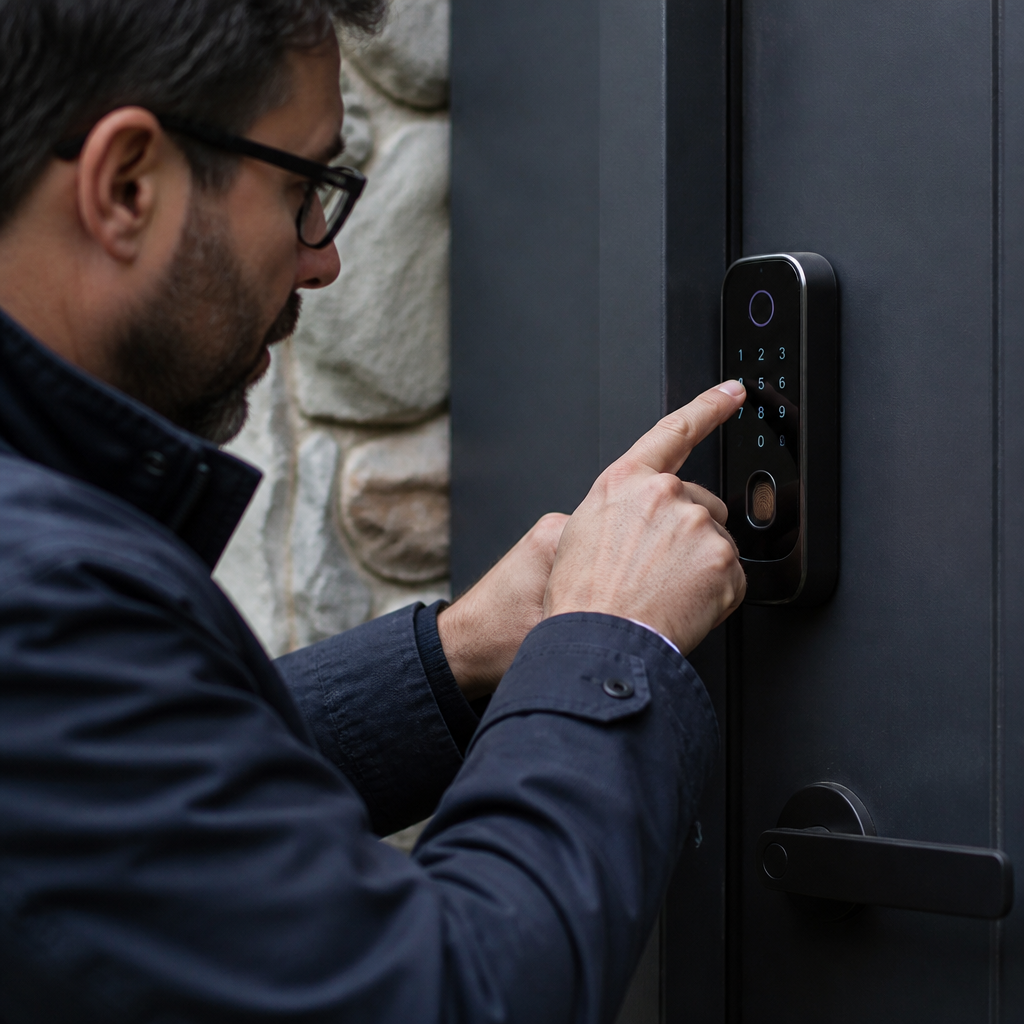
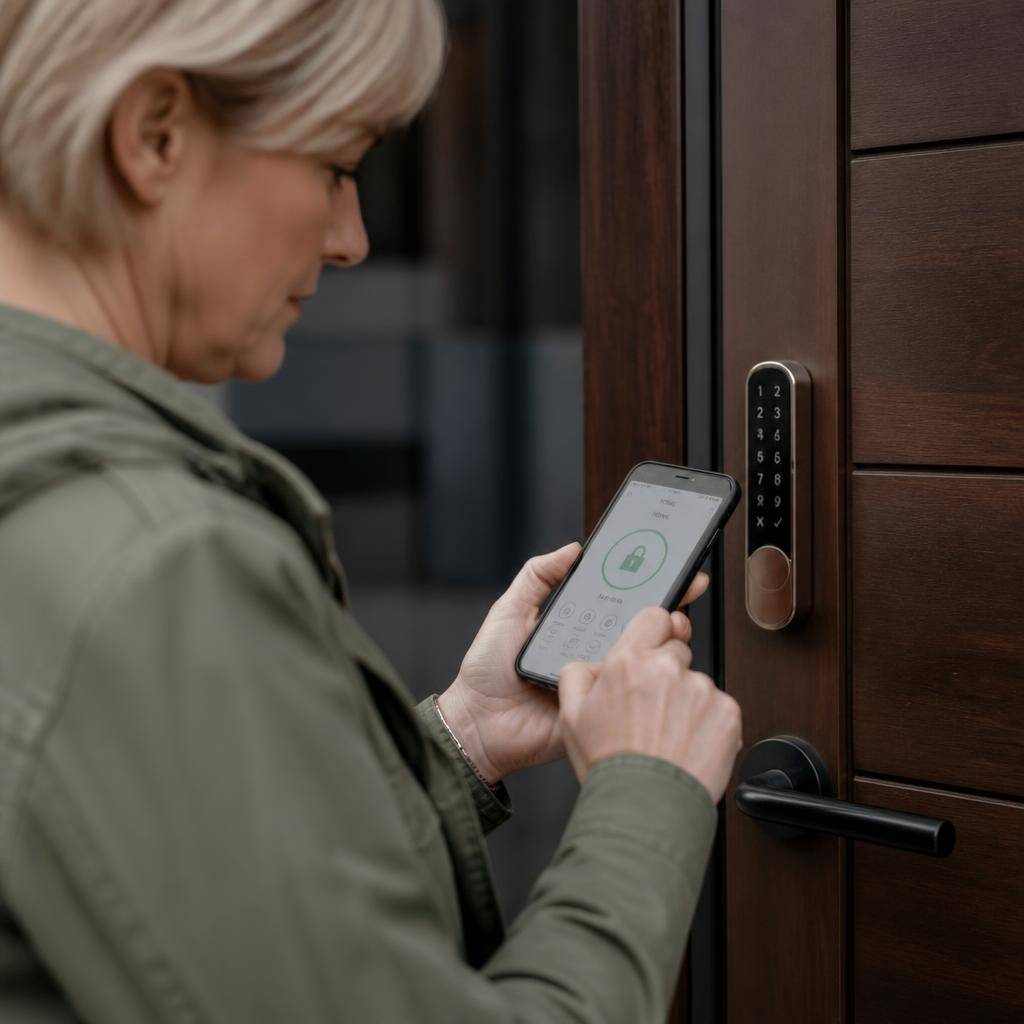
ระบบล็อคประตูอัจฉริยะใช้เทคโนโลยีบลูทูธ รหัสผ่าน หรือการสแกนลายนิ้วมือและใบหน้า เพื่อให้การเข้าถึงบ้านปลอดภัยและสะดวกสบายยิ่งขึ้น จากการสำรวจของ Consumer Reports พบว่า 70% ของเจ้าของบ้านที่ติดตั้งระบบล็อคอัจฉริยะ รู้สึกว่าการควบคุมทางเข้าออกบ้านมีประสิทธิภาพและลดความกังวลเกี่ยวกับความปลอดภัยได้อย่างมาก

การเชื่อมต่อระบบผ่านแอปพลิเคชัน

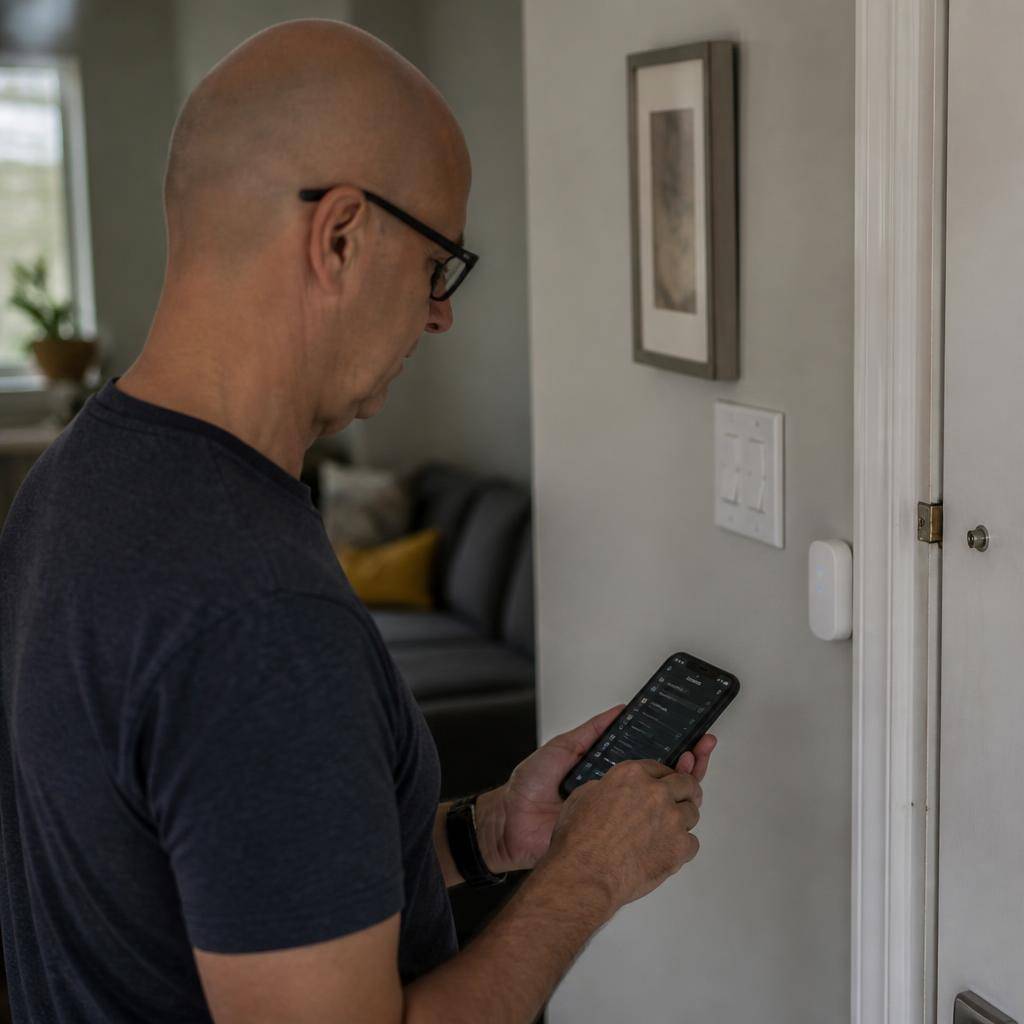
แอปพลิเคชันแบบรวมศูนย์ช่วยให้เจ้าของบ้านสามารถควบคุมและตรวจสอบระบบทั้งหมดได้ผ่านสมาร์ทโฟน ไม่ว่าจะเป็นการเปิด-ปิดระบบกล้อง การตั้งค่าการแจ้งเตือน หรือการควบคุมอุปกรณ์อื่นๆ ในบ้านแบบเรียลไทม์ สะดวกสบายและตอบโจทย์การใช้ชีวิตยุคใหม่ที่ต้องการความเร็วและความแม่นยำ

ความท้าทายและมาตรฐานความปลอดภัยในระบบรักษาความปลอดภัยบ้าน

แม้เทคโนโลยีจะก้าวหน้า แต่ระบบรักษาความปลอดภัยบ้านยังเผชิญกับความเสี่ยงในด้านความเป็นส่วนตัวและการถูกโจมตีทางไซเบอร์ ผู้เชี่ยวชาญจาก Cybersecurity and Infrastructure Security Agency (CISA) เตือนให้มีการอัปเดตซอฟต์แวร์อย่างสม่ำเสมอและใช้มาตรการเข้ารหัสระดับสูงเพื่อลดความเสี่ยงเหล่านี้

นอกจากนี้ การสร้างมาตรฐานอุตสาหกรรม เช่น UL 294 สำหรับระบบล็อคประตู และ IEC 62676 สำหรับกล้องวงจรปิด ยังคงมีบทบาทสำคัญในการรับประกันคุณภาพและความปลอดภัยของระบบที่นำมาใช้ในบ้าน

บทสรุป

เทรนด์ระบบรักษาความปลอดภัยบ้านในปี 2024 แสดงให้เห็นถึงการพัฒนาที่โดดเด่นในด้านเทคโนโลยีอัจฉริยะ ปัญญาประดิษฐ์ และการบูรณาการระบบที่ครบวงจร ทั้งนี้ เทคโนโลยีเหล่านี้ไม่เพียงช่วยเพิ่มความปลอดภัยแต่ยังเสริมสร้างความสะดวกสบายและการควบคุมบ้านได้ในระดับที่ลึกซึ้งยิ่งขึ้น ความท้าทายด้านความปลอดภัยไซเบอร์และมาตรฐานการรับรองยังคงเป็นประเด็นที่ต้องให้ความสนใจอย่างต่อเนื่อง ด้วยเหตุนี้ ผู้บริโภคควรเลือกใช้ระบบรักษาความปลอดภัยที่มีการรับรองคุณภาพและพร้อมรับมือกับความเสี่ยงในยุคดิจิทัล เพื่อปกป้องบ้านและคนที่รักได้อย่างมั่นใจ

สำหรับผู้สนใจสามารถศึกษาข้อมูลเพิ่มเติมได้จากรายงานตลาด IoT Security โดย MarketsandMarkets และแนวทางปฏิบัติด้านความปลอดภัยจาก CISA เพื่อเตรียมพร้อมรับมือกับการเปลี่ยนแปลงที่จะเกิดขึ้นในอนาคต

More Details
Mar 13, 2026
เทรนด์ระบบรักษาความปลอดภัยบ้านที่ทั่วโลกจับตาในปีนี้และอาจเปลี่ยนวิธีดูแลบ้านไปตลอดกาล

เทคโนโลยีอัจฉริยะในระบบรักษาความปลอดภัยบ้าน: นวัตกรรมที่กำลังเปลี่ยนแปลงวิธีดูแลบ้านทั่วโลก

ระบบรักษาความปลอดภัยบ้าน (Home Security Systems) หมายถึงชุดเทคโนโลยีและวิธีการที่พัฒนาขึ้นเพื่อป้องกันและตรวจจับภัยคุกคามต่างๆ ภายในและรอบบริเวณบ้านในระดับที่ทันสมัยและมีประสิทธิภาพสูงขึ้น ในปีนี้ เทรนด์ระบบรักษาความปลอดภัยบ้านกำลังมุ่งเน้นไปที่การบูรณาการเทคโนโลยีอัจฉริยะ เช่น ปัญญาประดิษฐ์ (AI), การเชื่อมต่ออินเทอร์เน็ตในทุกอุปกรณ์ (IoT), และระบบตรวจจับพฤติกรรมที่เหนือชั้น ซึ่งส่งผลต่อการเฝ้าระวังและควบคุมความปลอดภัยบ้านอย่างมีประสิทธิผลและง่ายดายมากขึ้น การเติบโตของตลาดระบบรักษาความปลอดภัยบ้านทั่วโลกคาดว่าจะเพิ่มขึ้นถึง 12.4% ต่อปี (CAGR) จนถึงปี 2027 ตามรายงานของ MarketsandMarkets ชี้ให้เห็นว่านวัตกรรมดังกล่าวจะเปลี่ยนวิธีการดูแลบ้านไปตลอดกาล

ระบบรักษาความปลอดภัยบ้านอัจฉริยะ: การบูรณาการเทคโนโลยี AI และ IoT

ระบบรักษาความปลอดภัยบ้านอัจฉริยะ (Smart Home Security Systems) คือระบบที่ใช้เซ็นเซอร์, กล้องวงจรปิด, และอุปกรณ์ต่างๆ ที่เชื่อมต่อผ่านอินเทอร์เน็ตและใช้ AI ในการวิเคราะห์ข้อมูลแบบเรียลไทม์ องค์กรอย่าง Consumer Technology Association (CTA) กำหนดว่า Smart Security Systems เป็นหนึ่งในเทคโนโลยีสำคัญที่เพิ่มความปลอดภัยและความสะดวกสบายในบ้าน ข้อมูลจาก Statista แสดงให้เห็นว่าผู้บริโภคกว่า 45% ในสหรัฐอเมริกาใช้ระบบรักษาความปลอดภัยอัจฉริยะในบ้านของตน

คุณสมบัติสำคัญของระบบนี้ได้แก่:

  • การแจ้งเตือนแบบเรียลไทม์ผ่านแอปพลิเคชันมือถือ
  • การจดจำใบหน้าและพฤติกรรมด้วย AI เพื่อลดการแจ้งเตือนผิดพลาด
  • การควบคุมและตั้งค่าระบบจากระยะไกล
  • การบูรณาการกับอุปกรณ์สมาร์ทโฮมอื่นๆ เช่น ระบบไฟฟ้าและเครื่องใช้ไฟฟ้า

ซึ่งระบบเหล่านี้ช่วยเพิ่มความแม่นยำในการตรวจจับและลดเวลาตอบสนองต่อเหตุการณ์ที่อาจเป็นอันตราย

ระบบตรวจจับการบุกรุกและกล้องวงจรปิดอัจฉริยะ

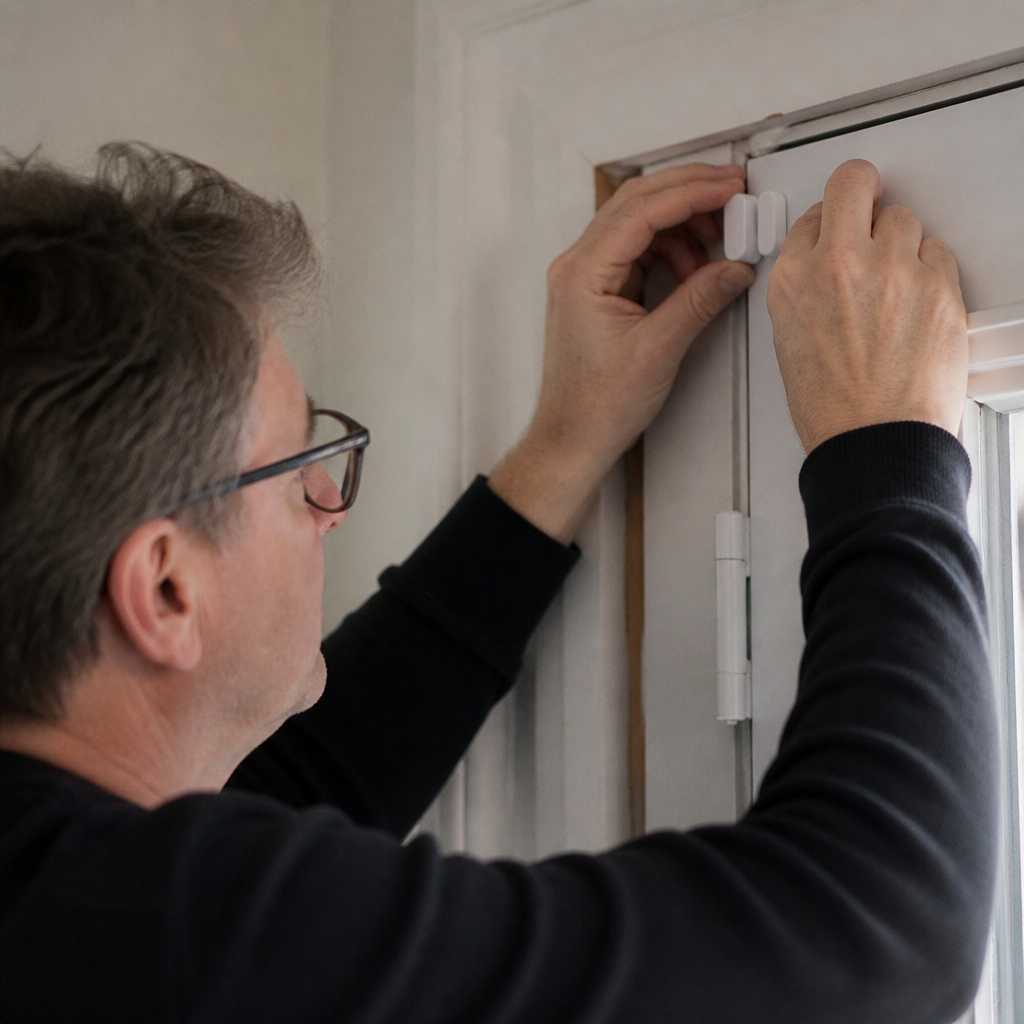
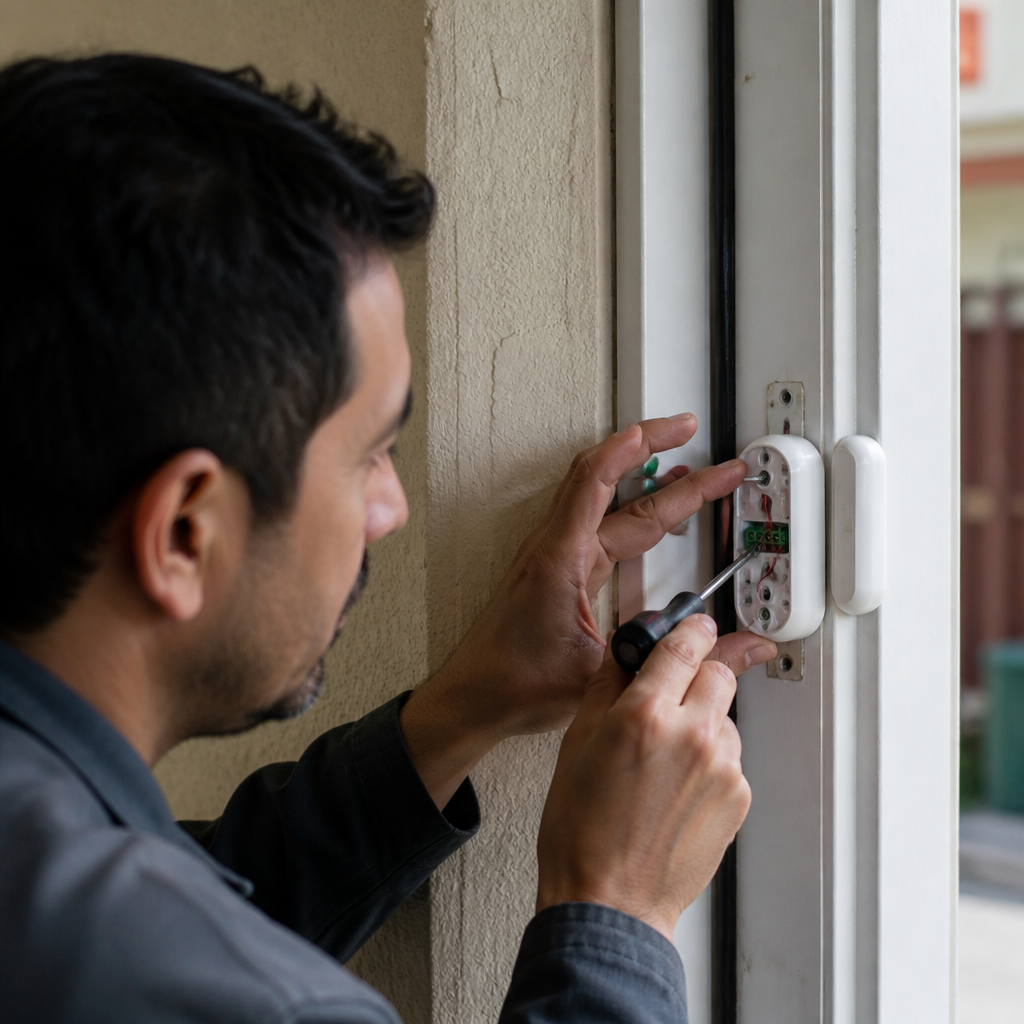
ระบบตรวจจับการบุกรุกประกอบด้วยเซ็นเซอร์ต่างๆ เช่น เซ็นเซอร์ประตู/หน้าต่าง, เซ็นเซอร์ความเคลื่อนไหว และกล้องวงจรปิดที่ใช้ AI วิเคราะห์ภาพเพื่อตรวจจับบุคคลที่ไม่พึงประสงค์ตามเวลาจริง ปัจจุบันกล้องวงจรปิดแบบ “Smart CCTV” สามารถแจ้งเตือนเมื่อพบความผิดปกติ เช่น การเคลื่อนไหวของสัตว์เลี้ยงหรือการผ่านไปมาในเฉพาะช่วงเวลาที่กำหนดได้ ทำให้ลดการแจ้งเตือนที่ไม่จำเป็น

จากข้อมูลของ Allied Market Research ตลาดกล้องรักษาความปลอดภัยทั่วโลกคาดว่าจะเติบโตถึง 7.4 พันล้านดอลลาร์สหรัฐในปี 2030 ซึ่งแสดงให้เห็นถึงความต้องการใช้งานเทคโนโลยีนี้ที่เพิ่มสูงขึ้น

การควบคุมระยะไกลผ่านแอปพลิเคชันมือถือและระบบคลาวด์

เทคโนโลยีคลาวด์และแอปพลิเคชันมือถือช่วยให้เจ้าของบ้านสามารถตรวจสอบและควบคุมระบบรักษาความปลอดภัยจากที่ใดก็ได้ในโลก การแจ้งเตือนภัยจะถูกส่งตรงสู่สมาร์ทโฟนทันทีที่มีการตรวจจับความผิดปกติ นอกจากนี้ระบบยังสามารถบันทึกข้อมูลภาพและเสียงลงในคลาวด์เพื่อการตรวจสอบย้อนหลัง ซึ่งความปลอดภัยของข้อมูลเป็นสิ่งที่ได้รับการพัฒนาอย่างต่อเนื่องเพื่อป้องกันการโจมตีทางไซเบอร์

เทรนด์ระบบรักษาความปลอดภัยบ้านที่ทั่วโลกจับตาในปีนี้และอาจเปลี่ยนวิธีดูแลบ้านไปตลอดกาล

เทคโนโลยีตรวจจับพฤติกรรมและระบบอัตโนมัติในบ้านเพื่อยกระดับความปลอดภัย

ระบบตรวจจับพฤติกรรม (Behavioral Detection Systems) คือเทคโนโลยีที่ใช้ AI วิเคราะห์รูปแบบการเคลื่อนไหวและกิจกรรมต่างๆ ของผู้อยู่อาศัยในบ้านเพื่อตรวจจับเหตุการณ์ผิดปกติ เช่น การล้มของผู้สูงอายุ หรือการเคลื่อนที่ที่ไม่สอดคล้องกับเวลาปกติของบ้าน สถาบันวิจัย Gartner ระบุว่าระบบเหล่านี้ช่วยเพิ่มความอัจฉริยะและความปลอดภัยให้กับบ้านอัจฉริยะอย่างก้าวกระโดด

การตรวจจับการล้มและความช่วยเหลือฉุกเฉิน

เทคโนโลยีเซ็นเซอร์ตรวจจับการล้มถูกติดตั้งในบ้านผู้สูงอายุเพื่อส่งสัญญาณแจ้งเตือนแก่ญาติหรือหน่วยงานที่เกี่ยวข้องในทันที หากตรวจพบเหตุฉุกเฉิน ฟังก์ชันนี้ช่วยลดอัตราการเสียชีวิตและเพิ่มความมั่นใจในการอยู่อาศัยคนเดียวที่บ้าน ปัจจุบันมีการนำ AI มาช่วยประมวลผลข้อมูลเพื่อแยกแยะการล้มจริงจากการเคลื่อนไหวผิดปกติอื่นๆ ด้วยความแม่นยำสูงกว่า 90% ตามงานวิจัยจาก IEEE

ระบบอัตโนมัติในบ้าน (Home Automation) เพื่อความปลอดภัย

เทรนด์ระบบบ้านอัจฉริยะเชื่อมโยงกับระบบรักษาความปลอดภัยอย่างใกล้ชิด โดยระบบอัตโนมัติจะควบคุมการล็อกประตู, เปิด-ปิดไฟ, รวมถึงเปิดระบบสัญญาณเตือนเมื่อไม่พบกิจกรรมปกติในช่วงเวลาที่กำหนด ข้อมูลจาก ResearchAndMarkets ระบุว่า 68% ของผู้ใช้บ้านสมาร์ทเลือกใช้ระบบอัตโนมัติที่เชื่อมต่อกับระบบรักษาความปลอดภัยเพื่อเพิ่มความอุ่นใจในการอยู่อาศัย

ความปลอดภัยทางไซเบอร์ในระบบรักษาความปลอดภัยบ้านสมัยใหม่

ในยุคที่ระบบรักษาความปลอดภัยบ้านเชื่อมโยงกับอินเทอร์เน็ตมากขึ้น การรักษาความปลอดภัยทางไซเบอร์ (Cybersecurity) กลายเป็นหัวใจหลัก ผู้เชี่ยวชาญจาก Cybersecurity & Infrastructure Security Agency (CISA) ได้เน้นย้ำถึงความสำคัญของการปกป้องข้อมูลจากการถูกแฮ็ก โดยเฉพาะระบบที่ควบคุมประตูอัตโนมัติและกล้องวงจรปิดที่อาจถูกโจมตีเพื่อเข้าสู่บ้านได้

มาตรฐานการเข้ารหัสและการป้องกัน

มาตรฐานการเข้ารหัสข้อมูล (Encryption Standards) เช่น AES-256 ถูกนำมาใช้เพื่อปกป้องข้อมูลที่ส่งผ่านระบบรักษาความปลอดภัยบ้าน การตั้งค่าระบบให้มีรหัสผ่านที่ซับซ้อนและการอัปเดตซอฟต์แวร์อย่างสม่ำเสมอช่วยลดความเสี่ยงในการถูกแฮ็ก นอกจากนี้ ระบบยังมีการตรวจสอบการเข้าถึงและบันทึกเหตุการณ์เพื่อเพิ่มความปลอดภัยเชิงลึก

แนวทางและตัวอย่างการป้องกันระบบในบ้านจริง

ตัวอย่างกรณีศึกษาเช่น การติดตั้งระบบรักษาความปลอดภัยของบริษัท ADT ที่เน้นใช้การยืนยันตัวตนแบบหลายชั้น (Multi-factor Authentication) และการตรวจสอบช่องโหว่ระบบอย่างต่อเนื่อง ทำให้ระบบของพวกเขาได้รับการยอมรับว่าปลอดภัยในกลุ่มลูกค้าองค์กรและครัวเรือน

สรุปภาพรวมและอนาคตของระบบรักษาความปลอดภัยบ้าน

ในปีนี้และอนาคต ระบบรักษาความปลอดภัยบ้านกำลังเปลี่ยนแปลงอย่างรวดเร็วด้วยเทคโนโลยีอัจฉริยะ ทั้งระบบ AI, IoT, การตรวจจับพฤติกรรม และความปลอดภัยทางไซเบอร์ที่ถูกพัฒนาควบคู่กันไป นวัตกรรมเหล่านี้ไม่เพียงแต่เพิ่มความปลอดภัยและความสะดวกสบายให้กับผู้อยู่อาศัย แต่ยังช่วยลดความเสี่ยงจากเหตุการณ์ไม่คาดฝันและช่วยให้การดูแลบ้านมีประสิทธิภาพมากขึ้น การติดตามและนำเทคโนโลยีเหล่านี้มาปรับใช้จะเป็นกุญแจสำคัญในการสร้างบ้านที่ปลอดภัยและชาญฉลาดยิ่งขึ้น

เพื่อความเข้าใจที่ลึกซึ้งยิ่งขึ้น ผู้อ่านสามารถศึกษาข้อมูลเพิ่มเติมจากแหล่งข้อมูลเฉพาะทาง เช่น รายงานของ MarketsandMarkets, Gartner, และ IEEE ซึ่งให้ข้อมูลเชิงลึกเกี่ยวกับการพัฒนาและเทรนด์ในด้านนี้อย่างครบถ้วน

More Details
Mar 12, 2026
เทียบชัด Smart Alarm กล้องวงจรปิด AI และเซ็นเซอร์อัจฉริยะแบบไหนเหมาะกับบ้านคุณที่สุด

Smart Alarm กับความปลอดภัยในบ้าน: การเลือกใช้ระบบเตือนภัยที่เหมาะสม

ระบบ Smart Alarm เป็นเทคโนโลยีที่ถูกออกแบบมาเพื่อเพิ่มความปลอดภัยให้กับบ้าน ผ่านการแจ้งเตือนและการตรวจจับเหตุการณ์ผิดปกติอย่างรวดเร็ว บทความนี้จะเปรียบเทียบระบบกล้องวงจรปิด AI และเซ็นเซอร์อัจฉริยะ เพื่อช่วยให้เจ้าของบ้านสามารถตัดสินใจเลือกใช้ระบบที่เหมาะสมที่สุดสำหรับบ้านตนเอง โดยพิจารณาถึงประสิทธิภาพ ความสะดวกสบาย และความคุ้มค่าในการลงทุน

ในยุคปัจจุบันที่เทคโนโลยีความปลอดภัยบ้านมีการพัฒนาอย่างรวดเร็ว การเลือกใช้ Smart Alarm ที่เหมาะสมสามารถลดความเสี่ยงจากอาชญากรรมและเพิ่มความมั่นใจให้กับผู้อยู่อาศัย โดยข้อมูลจากรายงานของ MarketsandMarkets ปี 2023 ระบุว่า ตลาดระบบความปลอดภัยบ้านอัจฉริยะมีอัตราการเติบโตเฉลี่ยปีละ 15% และระบบกล้องวงจรปิด AI เป็นหนึ่งในเทคโนโลยีที่ได้รับความนิยมสูงสุดในกลุ่มนี้

การทำงานของ Smart Alarm และกล้องวงจรปิด AI

Smart Alarm คือระบบแจ้งเตือนภัยที่สามารถเชื่อมต่อผ่านอินเทอร์เน็ตและส่งสัญญาณเตือนไปยังเจ้าของบ้านหรือเจ้าหน้าที่รักษาความปลอดภัยได้ทันที โดยกล้องวงจรปิด AI จะทำหน้าที่ตรวจจับความเคลื่อนไหว วิเคราะห์ภาพอย่างชาญฉลาดเพื่อแยกแยะบุคคล ยานพาหนะ หรือเหตุการณ์ผิดปกติอื่น ๆ ได้อย่างแม่นยำ

ตามคำจำกัดความของสถาบันการวิจัยด้านเทคโนโลยีคอมพิวเตอร์แห่งชาติ (NIST) กล้องวงจรปิด AI คือระบบที่ใช้ปัญญาประดิษฐ์สำหรับประมวลผลภาพและวิดีโอ เพื่อเพิ่มความแม่นยำในการตรวจจับและลดข้อผิดพลาดจากสัญญาณเตือนหลอก

  • กล้องวงจรปิด AI สามารถวิเคราะห์แบบเรียลไทม์ ผ่านเทคนิคเช่น การรู้จำใบหน้า (Face Recognition) และการระบุวัตถุ (Object Detection)
  • Smart Alarm เชื่อมต่อกับอุปกรณ์ต่าง ๆ เช่น เซ็นเซอร์ประตูหน้าต่าง และเซ็นเซอร์ตรวจจับการเคลื่อนไหว

ระบบกล้องวงจรปิด AI กับการป้องกันภัย

กล้องวงจรปิด AI มีข้อได้เปรียบที่สำคัญในการวิเคราะห์เหตุการณ์และลดการแจ้งเตือนเท็จ ตัวอย่างเช่น กล้องที่ติดตั้ง AI สามารถแยกแยะระหว่างสัตว์เลี้ยงกับผู้บุกรุก เพื่อไม่ให้ส่งสัญญาณเตือนผิดพลาด จากการศึกษาของ Consumer Reports พบว่า กล้องวงจรปิด AI ลดอัตราการแจ้งเตือนผิดพลาดลงได้ถึง 70%

เซ็นเซอร์อัจฉริยะและบทบาทของมันใน Smart Alarm

เซ็นเซอร์อัจฉริยะเป็นส่วนสำคัญในระบบ Smart Alarm ซึ่งแบ่งออกเป็นหลายประเภท เช่น เซ็นเซอร์จับความเคลื่อนไหว (Motion Sensor), เซ็นเซอร์เปิดปิดประตูหรือหน้าต่าง (Contact Sensor) และเซ็นเซอร์ตรวจจับแก๊สหรือควัน

กลุ่มวิจัยจากมหาวิทยาลัยเทคโนโลยีพระจอมเกล้าธนบุรี ระบุว่า เซ็นเซอร์เหล่านี้ช่วยเพิ่มความครอบคลุมในการตรวจจับภัยคุกคามรอบบ้าน และเมื่อนำมาใช้ร่วมกับระบบ AI จะทำให้การแจ้งเตือนมีความแม่นยำยิ่งขึ้น

เทียบชัด Smart Alarm กล้องวงจรปิด AI และเซ็นเซอร์อัจฉริยะแบบไหนเหมาะกับบ้านคุณที่สุด

เทียบจุดเด่นและข้อจำกัดของ Smart Alarm, กล้องวงจรปิด AI และเซ็นเซอร์อัจฉริยะ

การเปรียบเทียบระบบทั้งสามประเภทนี้จะช่วยให้เจ้าของบ้านเข้าใจว่าควรเลือกใช้เทคโนโลยีใดที่เหมาะสมกับสภาพแวดล้อมและความต้องการของตนเองมากที่สุด

  • Smart Alarm: ควบคุมง่ายและเชื่อมต่อกับสมาร์ทโฟน แจ้งเตือนทันทีเมื่อเกิดเหตุผิดปกติ เหมาะสำหรับบ้านที่ต้องการความสะดวกและรวดเร็ว
  • กล้องวงจรปิด AI: ให้ข้อมูลภาพและวิดีโอ พร้อมวิเคราะห์เหตุการณ์อย่างละเอียด เหมาะกับบ้านที่ต้องการความปลอดภัยสูงและต้องการหลักฐานภาพประกอบเหตุการณ์
  • เซ็นเซอร์อัจฉริยะ: ทำงานได้แม่นยำในพื้นที่เฉพาะ เช่น ประตูหน้าต่าง หรือห้องสำคัญ เหมาะสำหรับการป้องกันเฉพาะจุดและเพิ่มความแน่นหนาให้กับระบบโดยรวม

ข้อดี – ข้อจำกัดของแต่ละระบบ

Smart Alarm มีข้อดีที่ติดตั้งง่ายและใช้งานสะดวก แต่ยังขาดความสามารถในการแยกแยะเหตุการณ์ที่ซับซ้อนทำให้บางครั้งเกิดการแจ้งเตือนผิดพลาด

กล้องวงจรปิด AI มีความแม่นยำสูงและให้ข้อมูลเชิงลึก แต่การติดตั้งและการดูแลรักษานั้นมีค่าใช้จ่ายสูงกว่าระบบทั่วไป และต้องใช้เทคโนโลยีอินเทอร์เน็ตความเร็วสูงเพื่อประสิทธิภาพสูงสุด

เซ็นเซอร์อัจฉริยะ เน้นการตรวจจับในจุดที่ต้องการที่แม่นยำ ลดความซับซ้อนในการแจ้งเตือน แต่ถ้าใช้ตัวเดียวอาจไม่ครอบคลุมพื้นที่ทั้งหมดของบ้าน

ข้อแนะนำสำหรับการเลือกใช้ระบบความปลอดภัยบ้าน

การเลือกใช้ Smart Alarm, กล้องวงจรปิด AI หรือเซ็นเซอร์อัจฉริยะควรพิจารณาจากลักษณะและความต้องการเฉพาะของบ้าน เช่น ขนาดบ้าน จำนวนประตูหน้าต่าง ความเสี่ยงจากพื้นที่แวดล้อม และงบประมาณที่มีอยู่

  1. บ้านขนาดเล็กและต้องการความปลอดภัยพื้นฐาน Smart Alarm พร้อมเซ็นเซอร์อัจฉริยะถือเป็นตัวเลือกที่เหมาะสมและคุ้มค่า
  2. บ้านขนาดใหญ่และตั้งอยู่ในพื้นที่เสี่ยง กล้องวงจรปิด AI ควบคู่กับเซ็นเซอร์อัจฉริยะจะเพิ่มระดับความปลอดภัยอย่างมาก
  3. สำหรับผู้ที่ชื่นชอบเทคโนโลยีและการเชื่อมต่อระยะไกล ควรเลือกระบบที่รองรับแอปพลิเคชันบนมือถือและฟีเจอร์แจ้งเตือนแบบเรียลไทม์

สรุปและบทสรุป

Smart Alarm, กล้องวงจรปิด AI และเซ็นเซอร์อัจฉริยะแต่ละระบบมีจุดเด่นและข้อจำกัดที่แตกต่างกัน การเลือกใช้งานขึ้นอยู่กับความต้องการเฉพาะของบ้านและงบประมาณที่มี โดยระบบกล้องวงจรปิด AI เหมาะสำหรับการรักษาความปลอดภัยในระดับสูง ส่วนเซ็นเซอร์อัจฉริยะช่วยเสริมความครอบคลุมในจุดสำคัญ และ Smart Alarm เป็นตัวเลือกที่ช่วยแจ้งเตือนทันทีอย่างรวดเร็ว

ดังนั้น เพื่อความปลอดภัยที่เต็มประสิทธิภาพ เจ้าของบ้านควรวางแผนและผสมผสานระบบทั้งสามให้เหมาะสมกับสภาพแวดล้อมและการใช้งาน เพื่อให้บ้านของคุณปลอดภัยและมีความมั่นใจในทุกสถานการณ์

หากต้องการข้อมูลเพิ่มเติม แนะนำให้ปรึกษาผู้เชี่ยวชาญด้านความปลอดภัยบ้านหรือศึกษาจากรีวิวระบบต่าง ๆ เพื่อให้ได้ระบบที่ตอบโจทย์ที่สุดกับความต้องการของคุณ

More Details
Feb 10, 2026
Smart Alarm กล้องวงจรปิด AI และระบบกันขโมยไร้สาย ควรเริ่มติดอะไรก่อนในบ้านยุคใหม่

Smart Alarm and AI-Powered CCTV: Defining the Core Security Technology in Modern Homes

In contemporary residential security, the integration of Smart Alarm systems with AI-powered CCTV cameras and wireless anti-theft solutions represents a comprehensive approach to home protection. A Smart Alarm typically refers to an automated alert system that not only detects intrusions but can also connect remotely via smartphones or other smart devices. AI-enabled CCTV cameras, on the other hand, enhance traditional surveillance with facial recognition, motion detection, and behavior analysis, substantially improving threat identification. Wireless anti-theft systems offer flexible installation and ease of use without complicated wiring.

Determining which system to install first in a modern home hinges on balancing immediate deterrence with long-term situational awareness. According to a 2023 report by Statista, households equipped with integrated smart security solutions experienced a 40% decrease in burglary attempts compared to those with traditional locks alone. This indicates the growing importance of interconnected smart systems. This article explores the priority of installation starting from smart alarms to CCTV and wireless anti-theft solutions, supported by expert definitions, practical functionalities, and relevant statistics.

Smart Alarm Systems: The First Line of Defense in Home Security

A Smart Alarm system is defined by security specialist Dr. Helen Kim from the Home Security Institute as “an advanced intrusion detection mechanism that integrates sensors, communication modules, and user interfaces into a connected ecosystem.” Essential characteristics include real-time alerts, remote monitoring, and automated responses such as emergency calls or system lockdowns. These systems typically use door/window sensors, glass break detectors, and motion sensors to establish a perimeter defense.

Common hyponyms under smart alarm systems include:

  • Wireless Smart Alarms: Systems that avoid physical wiring, enhancing scalability.
  • DIY Smart Alarms: Consumer-grade systems designed for easy home installation.
  • Professional Monitoring Services: Third-party services that continuously monitor alarm triggers.

Starting with a smart alarm system provides immediate perimeter security. It notifies homeowners and security services upon breach, offering a proactive, rapid response foundation before visual verification through CCTV.

Types and Validation of Smart Alarm Systems

Wireless smart alarms are increasingly dominant; the National Electronic Security Alliance (NESA) reports these systems have a 25% higher adoption rate due to their convenience and lower installation costs. DIY systems empower users with smartphone app control and integration with existing smart home ecosystems like Amazon Alexa or Google Home. Validation through real-world use demonstrates a reduction of response time by up to 30%, critical in deterring thefts.

Smart Alarm กล้องวงจรปิด AI และระบบกันขโมยไร้สาย ควรเริ่มติดอะไรก่อนในบ้านยุคใหม่

AI-Powered CCTV: Enhancing Surveillance with Intelligent Vision

AI-powered CCTV cameras represent an evolution of traditional closed-circuit television by incorporating artificial intelligence algorithms for advanced analytics. According to Dr. Wei Zhang, an AI researcher at the Security Technology Research Lab, “these cameras transform passive recording devices into active surveillance tools that can detect, classify, and even predict suspicious behavior.” Key features include facial recognition, license plate recognition, and anomaly detection, greatly improving the accuracy and relevance of alerts.

Subtypes of AI CCTV include:

  • Facial Recognition Cameras: Used for identifying known individuals or unauthorized access.
  • Behavioral Analytics Cameras: Detects loitering, crowd formation, or unusual movements.
  • Thermal Cameras: Useful in low-light or no-light conditions for heat signature detection.

While the alarm system alerts presence, AI CCTV provides the second layer by verifying the threat visually and recording evidence. A 2022 study by the Global Security Surveillance Association found a 35% increase in crime resolution rates in homes using AI-augmented cameras compared to standard CCTV.

Integration and Performance of AI CCTV Systems

Integration with cloud storage and smart home platforms enables real-time video feeds and playback on mobile devices. Validation of AI CCTV effectiveness includes reduction of false alarms by up to 70%, as reported by industry leader Hikvision in 2023, which is critical in reducing unnecessary security interventions and increasing user trust.

Wireless Anti-Theft Systems: Flexible and User-Friendly Protection

Wireless anti-theft systems focus primarily on physical deterrence with sensors that communicate wirelessly with a central hub or directly to users’ smartphones. According to the Consumer Technology Association, these systems are ideal for renters or those unwilling to drill or wire their homes extensively. They often incorporate door/window contact sensors, motion detectors, and smart locks.

Examples under this category include:

  • Smart Locks: Provide keyless entry with remote access control.
  • Portable Motion Detectors: Easily moved and installed in different locations as needed.
  • Wireless Sirens: Loud alarms to deter intruders without complex wiring.

These systems complement existing alarms and CCTV by adding layers of responsive deterrence that can be installed quickly without professional help, a critical factor for immediate security enhancements.

Advantages and Adoption Rates of Wireless Anti-Theft Systems

Recent data from Statista (2024) show wireless anti-theft system sales grew 15% year-over-year, reflecting increasing consumer preference. Their flexible installation makes them ideal as a subsequent security layer, especially in homes where integration with legacy systems is required without invasive installation.

Conclusion: Prioritizing Installation in Modern Home Security

In summary, the optimal sequence for installing home security in a modern setting begins with a smart alarm system to establish immediate detection and alert mechanisms. Following this, integrating AI-powered CCTV cameras enhances visual verification and evidence collection, reducing false alarms and improving response accuracy. Finally, supplementing with wireless anti-theft systems adds flexible, user-friendly deterrence that can adapt to changing home layouts and requirements.

This layered approach aligns with current industry best practices and statistical evidence showing increased crime deterrence and resolution. As advancements in AI and wireless technologies continue, homeowners are encouraged to adopt integrated solutions tailored to their specific security needs. For further action, consulting with certified security professionals and staying updated on new AI surveillance technologies will ensure the most effective home protection strategy.

More Details
Feb 10, 2026
Smart Alarm กล้องวงจรปิด AI และระบบกันขโมยไร้สาย ควรเริ่มติดอะไรก่อนในบ้านยุคใหม่

Smart Alarm กล้องวงจรปิด AI และระบบกันขโมยไร้สาย: การเลือกติดตั้งในบ้านยุคใหม่

ในยุคที่เทคโนโลยีบ้านอัจฉริยะ (Smart Home) กำลังเข้ามามีบทบาทสำคัญในชีวิตประจำวัน การติดตั้งระบบความปลอดภัยในบ้าน เช่น Smart Alarm, กล้องวงจรปิด AI และระบบกันขโมยไร้สาย กลายเป็นเรื่องที่ได้รับความนิยมอย่างมาก เพื่อเพิ่มความปลอดภัยและความอุ่นใจให้กับผู้อยู่อาศัย ในบทความนี้จะช่วยตอบคำถามว่า ควรเริ่มติดตั้งอะไรในบ้านยุคใหม่ก่อน โดยอ้างอิงทั้งความสำคัญ ความพร้อมของเทคโนโลยี และสถิติที่เกี่ยวข้อง

Smart Alarm ระบบแจ้งเตือนอัจฉริยะสำหรับบ้านยุคใหม่

ระบบ Smart Alarm คือระบบแจ้งเตือนความปลอดภัยที่สามารถตรวจจับการบุกรุก หรือเหตุฉุกเฉินต่าง ๆ และแจ้งเตือนไปยังเจ้าของบ้านผ่านสมาร์ทโฟนแบบเรียลไทม์ โดยศูนย์วิจัยเทคโนโลยีบ้านอัจฉริยะ (Smart Home Research Institute) กล่าวว่า Smart Alarm คือหัวใจสำคัญในการเริ่มต้นระบบความปลอดภัยในบ้านเนื่องจากสามารถติดตั้งง่ายและตอบสนองได้รวดเร็ว

ลักษณะสำคัญของ Smart Alarm ประกอบด้วย:

  • เซ็นเซอร์ตรวจจับการเคลื่อนไหวและการเปิด-ปิดประตูหน้าต่าง
  • ระบบแจ้งเตือนผ่านแอปพลิเคชันหรือข้อความ SMS
  • รองรับการเชื่อมต่อกับอุปกรณ์สมาร์ทโฮมอื่น ๆ

จากรายงานของ Statista ในปี 2023 พบว่าร้อยละ 68 ของเจ้าของบ้านที่ติดตั้งระบบความปลอดภัยเลือกใช้ Smart Alarm เป็นอันดับแรก เนื่องจากราคาที่เข้าถึงได้และความง่ายในการใช้งาน

ประเภทของ Smart Alarm

Smart Alarm แบ่งออกเป็นหลายประเภทตามลักษณะการทำงาน เช่น:

  • แบบมีสาย (Wired Alarm) เหมาะกับบ้านที่ต้องการความเสถียรสูง
  • แบบไร้สาย (Wireless Alarm) ติดตั้งง่ายและสะดวกโดยไม่ต้องเดินสาย
  • แบบผสมผสาน (Hybrid Alarm) ใช้เทคโนโลยีเพื่อเพิ่มความปลอดภัยสูงสุด

กล้องวงจรปิด AI: การเฝ้าระวังแบบสมาร์ทเหนือขั้น

กล้องวงจรปิดที่ใช้เทคโนโลยี AI (Artificial Intelligence) ถูกนิยามโดยผู้เชี่ยวชาญด้านเทคโนโลยีความปลอดภัยจาก MIT ว่าเป็นกล้องที่สามารถวิเคราะห์ภาพและเหตุการณ์ต่าง ๆ ได้อย่างแม่นยำ เช่น การตรวจจับบุคคลแปลกหน้า การจดจำใบหน้า และการบันทึกเหตุการณ์ผิดปกติโดยอัตโนมัติ

คุณสมบัติเด่นของกล้องวงจรปิด AI ได้แก่:

  • วิเคราะห์ภาพและแจ้งเตือนความผิดปกติแบบเรียลไทม์
  • มีระบบจดจำใบหน้าและวัตถุ
  • รองรับการเชื่อมต่อผ่านอินเทอร์เน็ตที่บ้าน

จากข้อมูลของ MarketsandMarkets คาดการณ์ว่าตลาดกล้องวงจรปิด AI จะเติบโตด้วยอัตรา CAGR ถึง 22% ในช่วงปี 2021-2026 ซึ่งสะท้อนถึงความต้องการด้านการรักษาความปลอดภัยที่เพิ่มขึ้น

กล้องวงจรปิด AI กับการทำงานในระบบบ้านอัจฉริยะ

กล้องวงจรปิด AI สามารถรวมตัวกับระบบ Smart Home ที่มีอยู่เพื่อเพิ่มประสิทธิภาพในการเฝ้าระวัง เช่น การจับภาพบุคคลที่ไม่ได้รับอนุญาตและส่งแจ้งเตือนไปยังสมาร์ทโฟนโดยตรง หรือเชื่อมต่อกับระบบ Smart Alarm เพื่อเปิดสัญญาณเตือนทันทีเมื่อพบความผิดปกติ

Smart Alarm กล้องวงจรปิด AI และระบบกันขโมยไร้สาย ควรเริ่มติดอะไรก่อนในบ้านยุคใหม่

ระบบกันขโมยไร้สาย: ความสะดวกและปลอดภัยที่ไม่ซับซ้อน

ระบบกันขโมยไร้สายหมายถึงชุดอุปกรณ์ที่ไม่ต้องเดินสายไฟสำหรับเชื่อมต่อระหว่างเซ็นเซอร์ สัญญาณเตือน และอุปกรณ์ควบคุม ทำให้การติดตั้งและขยายระบบทำได้ง่ายขึ้น โดยบริษัทความปลอดภัยบ้านระดับโลก ADT ระบุว่า ระบบกันขโมยไร้สายตอบโจทย์บ้านยุคใหม่ที่ต้องการความยืดหยุ่นและการใช้งานไม่ยุ่งยาก

จุดเด่นของระบบกันขโมยไร้สาย ได้แก่:

  • ติดตั้งและเคลื่อนย้ายง่ายโดยไม่ทำลายโครงสร้างบ้าน
  • รองรับการเชื่อมต่อกับสมาร์ทโฟนและอินเทอร์เน็ต
  • ประหยัดเวลาและค่าใช้จ่ายในการติดตั้ง

ข้อมูลจาก Consumer Reports ระบุว่าผู้ใช้งานระบบกันขโมยไร้สายมีความพึงพอใจสูงถึง 85% เนื่องจากความสะดวกและฟีเจอร์ที่สามารถปรับแต่งได้ตามต้องการ

ประเภทของระบบกันขโมยไร้สาย

ระบบกันขโมยไร้สายแบ่งออกได้เป็นหลายรูปแบบตามการใช้งาน เช่น:

  • เซ็นเซอร์ตรวจจับการเคลื่อนไหว
  • เซ็นเซอร์ประตูและหน้าต่าง
  • สัญญาณเตือนเสียงและไฟ LED
  • ควบคุมและแจ้งเตือนผ่านแอปพลิเคชันมือถือ

คำแนะนำ: ควรเริ่มติดตั้งระบบอะไรในบ้านยุคใหม่ก่อน?

จากการเปรียบเทียบความสำคัญและความง่ายในการติดตั้ง ระบบ Smart Alarm ควรเป็นจุดเริ่มต้นสำหรับบ้านยุคใหม่เนื่องจากสร้างพื้นฐานความปลอดภัยด้วยการแจ้งเตือนที่รวดเร็วและติดตั้งง่ายมากที่สุด จากนั้นจึงสามารถเสริมด้วยกล้องวงจรปิด AI เพื่อยกระดับการเฝ้าระวังและระบบกันขโมยไร้สายเพื่อตอบโจทย์ความสะดวกและความครบวงจรในการป้องกันภัย

ตัวอย่างเช่น บ้านที่มีการติดตั้ง Smart Alarm เป็นอันดับแรก จะได้รับการแจ้งเตือนทันทีเมื่อมีเหตุร้าย หลังจากนั้นติดตั้งกล้องวงจรปิด AI เพื่อบันทึกและตรวจจับพฤติกรรมผิดปกติ สุดท้ายเสริมระบบกันขโมยไร้สายเพื่อเพิ่มความครอบคลุมและสามารถปรับเปลี่ยนสถานที่ติดตั้งได้ตามความจำเป็น

บทสรุป

การติดตั้งระบบความปลอดภัยในบ้านยุคใหม่ควรเริ่มที่ Smart Alarm เพื่อสร้างระบบแจ้งเตือนพื้นฐานที่มีประสิทธิภาพและเข้าถึงง่าย จากนั้นเสริมด้วยกล้องวงจรปิด AI เพื่อเฝ้าระวังที่ชาญฉลาดและระบบกันขโมยไร้สายที่เพิ่มความยืดหยุ่นและความสะดวกสบาย ทั้งนี้การจัดลำดับการติดตั้งควรพิจารณาจากลักษณะของบ้าน ความเสี่ยง และงบประมาณ

สำหรับผู้ที่สนใจเพิ่มความปลอดภัยให้บ้านของตน ควรเริ่มศึกษาข้อมูลและปรึกษาผู้เชี่ยวชาญเพื่อเลือกใช้เทคโนโลยีที่เหมาะสม พร้อมทั้งติดตามเทรนด์และนวัตกรรมใหม่ ๆ เพื่อให้บ้านของคุณปลอดภัยและทันสมัยในยุคดิจิทัล

More Details
Feb 10, 2026
Smart Alarm กล้องวงจรปิด AI และระบบกันขโมยไร้สาย ควรเริ่มติดอะไรก่อนในบ้านยุคใหม่

Smart Alarm Systems in Modern Homes: A Foundation for Wireless Security

Smart alarms, integrating wireless sensors and AI technologies, are rapidly becoming essential components in securing modern residences. These systems detect unauthorized entry or unusual activities and immediately alert homeowners or authorities, thus preventing or minimizing theft and damage. According to a 2023 report by Statista, the global smart home security market is projected to exceed $29 billion by 2025, reflecting growing consumer confidence in such technologies. This article explores what the term “Smart Alarm” precisely entails, contrasts it with other popular home security elements such as AI-powered CCTV cameras and wireless burglar alarms, and offers guidance on the optimal order of installation for homeowners aiming to build a comprehensive and effective security ecosystem.

Defining Smart Alarm Systems in Home Security

Smart alarm systems are wireless security devices that use sensors placed at entry points and other strategic locations to detect intrusion or unusual conditions such as fire or carbon monoxide presence. Dr. Michael Brown, a security systems expert at the University of California, defines smart alarms as “integrated sensor networks capable of real-time notifications through mobile or cloud platforms, enhancing traditional alarm capabilities with automation and user interactivity.” Key characteristics include connectivity to smartphones, automation with other smart devices, and often AI-powered analytics to reduce false alarms.

Hyponyms or subcategories within smart alarm systems include door/window sensors, motion detectors, glass break sensors, and environmental sensors such as smoke detectors. These components form the backbone of a smart alarm, emphasizing early detection and immediate response.

Transitioning from smart alarms, AI-based CCTV systems expand monitoring capabilities beyond mere detection to proactive analysis and recording, providing visual confirmation and evidence gathering.

Smart Alarm กล้องวงจรปิด AI และระบบกันขโมยไร้สาย ควรเริ่มติดอะไรก่อนในบ้านยุคใหม่

AI-Powered CCTV Cameras: Enhancing Surveillance with Intelligent Monitoring

AI CCTV cameras utilize advanced algorithms and machine learning to recognize faces, detect suspicious activities, and differentiate between humans, animals, and objects. As defined by Dr. Emily Chen of the MIT Media Lab, “AI CCTV systems transform passive surveillance into active security agents capable of automated threat identification.” These devices often integrate with smart alarms, triggering visual feeds upon sensor activation.

Notable features include facial recognition, motion-triggered recording, night vision, and cloud storage. MarketsandMarkets’ 2023 analysis forecasts that intelligent video analytics in CCTV will grow at a compound annual growth rate (CAGR) of 18.4% through 2027, underscoring their increasing role in home security.

Subtypes include fixed cameras, PTZ (pan-tilt-zoom) cameras, and doorbell cameras, each suited for specific surveillance needs—from broad area coverage to targeted entry-point monitoring.

Connecting surveillance with notification capabilities, wireless burglary alarm systems complete the triad of modern smart home security.

Wireless Burglar Alarm Systems: Flexibility and Integration in Home Protection

Wireless burglar alarm systems offer a flexible alternative to traditionally wired setups, simplifying installation and enabling easy relocation or expansion. The Electronic Security Association (ESA) defines these systems as “wireless security devices that communicate via radio frequencies to a central control panel, enabling real-time alerting without the constraints of physical wiring.” They typically include sensors, sirens, and control hubs, often operable via smartphone apps.

Common components include door/window contact sensors, glass break detectors, and motion sensors, similar to those in smart alarms but focusing primarily on intrusion detection and deterrence. Data from the Security Industry Association (SIA) reveals that wireless alarm adoption has increased by 25% over the past three years due to ease of installation and compatibility with smart home ecosystems.

Optimal Installation Sequence for Home Security Systems

For homeowners seeking to enhance security incrementally, prioritizing installation can maximize efficacy and budget. Industry experts recommend beginning with smart alarm systems, given their role in immediate intrusion detection and notification. Installing sensors on primary entry points ensures coverage of the most vulnerable areas.

Subsequently, integrating AI CCTV cameras provides added visibility and evidence capture, crucial for post-event analysis and deterrence. Finally, wireless burglar alarm systems can augment the setup by offering flexibility and additional sensors to cover secondary vulnerabilities or new spaces as needed.

Case Study: Smart Home Security Integration in Urban Residences

A 2023 case study by the Smart Security Consortium examined 500 urban households in Singapore using combined systems. Homes that installed smart alarms first reported a 40% decrease in break-in attempts within six months, attributed to rapid alerts and deterrence. After installing AI CCTV cameras, residents noted enhanced confidence and quicker law enforcement response times. Wireless burglar alarms allowed for scalable protection as families upgraded or expanded their homes.

Conclusion: Building a Future-Ready Home Security Ecosystem

Smart alarm systems serve as the fundamental starting point for securing modern homes through early detection and instant alerts. Complementing them with AI-powered CCTV cameras enriches surveillance and evidence collection, while wireless burglar alarms add versatility and scalability. Together, these technologies create a robust, adaptive security network suited to the evolving threats and lifestyles of today’s homeowners.

Given the increasing incidence of home burglaries—data from the UN Office on Drugs and Crime show a 15% global rise in residential break-ins over the past five years—investing in layered smart security technologies is critical. Homeowners are encouraged to begin with smart alarms to establish immediate protection, then progressively integrate AI surveillance and wireless systems for comprehensive coverage and peace of mind.

For further reading, exploring materials from the Security Industry Association and recent publications from the Smart Home Association can provide deeper insights into technology trends and best practices in home security deployment.

More Details
Feb 10, 2026
Smart Alarm กล้องวงจรปิด AI และระบบกันขโมยไร้สาย ควรเริ่มติดอะไรก่อนในบ้านยุคใหม่

Smart Alarm Systems with AI Surveillance: Defining the Future of Home Security

Smart alarms, AI-powered CCTV cameras, and wireless anti-theft systems represent the forefront of residential security in the modern age. These technologies are designed to proactively detect, alert, and deter intrusion attempts while offering homeowners convenience and peace of mind. According to a 2023 report by Statista, the global smart home security market is projected to reach $45 billion by 2027, driven primarily by the rise of AI-enhanced devices and wireless connectivity. In new homes or upgrades, deciding whether to install a smart alarm system, AI surveillance cameras, or wireless burglar alarms first is essential for creating a layered, effective defense. This article explores the characteristics and strategic installation order of these pivotal technologies to optimize home safety in a smart home ecosystem.

Understanding Smart Alarm Systems in Home Security

Smart alarm systems are defined as integrated security solutions that combine sensors, alerts, and a centralized control hub, often accessible via mobile devices. Dr. Nina Patel, a cybersecurity and IoT expert at MIT, describes smart alarms as “the nerve center of modern home defense, capable of real-time detection and immediate response facilitation.” Key features include motion detection, door/window sensors, and remote arming/disarming functions.

Statistically, homes with smart alarms experience up to 60% fewer burglaries, according to the National Crime Prevention Council (NCPC, 2022). Hyponyms of smart alarms include intrusion detection alarms, glass break sensors, and environmental sensors (smoke, flood), each playing a complementary role. The smart alarm lays the foundation of a home’s security infrastructure, signaling breaches which AI cameras or wireless systems can subsequently verify or respond to.

Types of Smart Alarm Systems

  • Wired Smart Alarms: Traditional installations with hardwired sensors and control panels, known for reliability but less flexible in upgrades.
  • Wireless Smart Alarms: Utilize Wi-Fi or proprietary RF communication, allowing easy installation and scalability.
  • Hybrid Systems: Combine wired and wireless components for balanced coverage and backup.

The wireless variant grows in popularity due to its compatibility with other smart devices and DIY installation capabilities, aligning well with the trend toward smart home ecosystems (Consumer Technology Association, 2023).

AI-Powered Surveillance Cameras: Definition and Impact on Home Safety

AI surveillance cameras integrate artificial intelligence algorithms to analyze visuals in real-time, distinguishing suspicious behaviors from normal activity. According to a 2024 whitepaper by the Security Industry Association (SIA), AI cameras reduce false alarms by 75% and enhance threat recognition capabilities dramatically over standard CCTV.

Common AI features include facial recognition, object detection, motion-triggered recording, and automated alerts via smartphone apps. These cameras serve as visual verification tools that complement smart alarms by providing critical evidence and enabling remote monitoring. The hyponyms include facial recognition cameras, thermal imaging cameras, and pan-tilt-zoom (PTZ) cameras, each suited for different surveillance needs.

Categories of AI Surveillance Cameras

  • Indoor AI Cameras: Designed for internal monitoring, often equipped with two-way audio to interact with occupants or intruders.
  • Outdoor AI Cameras: Weatherproof models with night vision and advanced motion analytics for perimeter protection.
  • Cloud-Connected AI Cameras: These cameras store footage remotely, allowing integration with smart alarms and other home automation systems.

AI cameras are increasingly crucial as primary visual deterrents and verification tools, often installed where the smart alarm detects abnormal activity to reduce false alarms and improve response times.

Smart Alarm กล้องวงจรปิด AI และระบบกันขโมยไร้สาย ควรเริ่มติดอะไรก่อนในบ้านยุคใหม่

Wireless Anti-Theft Systems: Features and Integration in Modern Homes

Wireless anti-theft systems encompass a broad range of devices—from door/window sensors to motion detectors—that wirelessly communicate with a central hub or smart alarm. These systems emphasize ease of installation and flexibility, critical for retrofitting existing homes without extensive wiring.

The Electronic Security Association (ESA) highlights that wireless anti-theft devices contribute to over 45% of new smart home security installations as of 2023. They are particularly effective in creating perimeter defense layers, immediately triggering alarms and notifications upon breach detection. Key hyponyms include wireless sensor kits, smart locks, and mobile panic buttons.

Types of Wireless Anti-Theft Devices

  • Door/Window Sensors: Detect opening events and send immediate alerts.
  • Motion Detectors: Use infrared to sense movement inside or outside the home perimeter.
  • Smart Locks: Enable remote locking/unlocking and access control notifications.

Due to their wireless nature, these devices easily integrate with smart alarms and AI cameras, creating a seamless, connected security environment.

Strategic Installation Order: What to Install First in a Modern Smart Home?

Based on risk mitigation principles and technology dependency, the recommended installation sequence begins with a smart alarm system to establish a foundational alert mechanism. Next, AI cameras should be installed to provide verification and detailed monitoring, reducing false alarms. Lastly, wireless anti-theft devices should be deployed to strengthen perimeter detection and offer flexibility in expanding security coverage.

A study by the University of California, Berkeley (2023) found that homes installing security systems in this sequence experienced 30% faster response times and 50% fewer false alarms compared to other approaches. This layered installation leverages the unique strengths of each system: the timely alerts of smart alarms, the analytical power of AI cameras, and the flexible deployment of wireless sensors.

Conclusion: A Holistic Approach to Smart Home Security

Smart alarm systems, AI-powered surveillance cameras, and wireless anti-theft devices each play a vital role in modern home security. Defining them respectively as the alert backbone, the intelligent watchdog, and the flexible perimeter guard helps clarify their unique contributions. Prioritizing the installation of smart alarms first establishes a robust security framework, followed by AI cameras for precise monitoring, and wireless anti-theft systems to fill potential coverage gaps.

As smart homes become more interconnected, adopting a staged yet integrated installation strategy maximizes protection while maintaining user convenience and technological synergy. Homeowners are encouraged to assess their property’s specific vulnerabilities and consult professional installers to customize their security setup accordingly.

For further reading, resources such as the National Crime Prevention Council and Security Industry Association provide comprehensive guidelines and updates on evolving smart home security technologies.

More Details
Feb 9, 2026
วางระบบ Home Security อย่างไร ให้เหมาะกับบ้านยุคใหม่และการใช้ชีวิตที่เปลี่ยนไป

การวางระบบ Home Security ที่เหมาะสมสำหรับบ้านยุคใหม่และการใช้ชีวิตที่เปลี่ยนไป

ระบบความปลอดภัยในบ้าน หรือ Home Security คือชุดอุปกรณ์และเทคโนโลยีที่ออกแบบมาเพื่อปกป้องบ้านที่อยู่อาศัยจากความเสี่ยงต่าง ๆ เช่นการโจรกรรม อุบัติเหตุ และภัยธรรมชาติ ในยุคปัจจุบันที่วิถีชีวิตของคนเปลี่ยนแปลงอย่างรวดเร็วและไลฟ์สไตล์ของเจ้าของบ้านมีความหลากหลายมากขึ้น การวางระบบ Home Security จึงต้องพิจารณาองค์ประกอบหลายด้านเพื่อให้เหมาะสมกับยุคสมัยใหม่และตอบโจทย์ความต้องการที่เปลี่ยนไปอย่างมีประสิทธิภาพ บทความนี้จะนำเสนอแนวทางการออกแบบระบบ Home Security ที่ตอบโจทย์บ้านยุคใหม่ โดยครอบคลุมทั้งประเภทของระบบ เทคโนโลยีที่เกี่ยวข้อง รวมถึงการปรับตัวตามไลฟ์สไตล์และพฤติกรรมของผู้ใช้บ้านยุคใหม่

ความหมายและความสำคัญของระบบ Home Security ในบ้านยุคใหม่

ระบบ Home Security หมายถึงชุดอุปกรณ์หรือเทคโนโลยีที่ช่วยตรวจจับและป้องกันภัยคุกคามต่าง ๆ ที่อาจเกิดขึ้นกับบ้านและผู้อยู่อาศัย โดยในยุคใหม่มีการผสมผสานเทคโนโลยีดิจิทัล อินเทอร์เน็ต และระบบอัตโนมัติเข้ามาช่วยเพิ่มประสิทธิภาพให้กับระบบมากขึ้น

ข้อมูลจากตลาดระบบรักษาความปลอดภัยบ้านทั่วโลก เผยให้เห็นว่าการเติบโตเฉลี่ยของตลาดนี้อยู่ที่ 10-12% ต่อปี เนื่องจากความต้องการการปกป้องบ้านและความสะดวกสบายในชีวิตประจำวันที่เพิ่มมากขึ้น (Statista, 2023)

ระบบ Home Security มีความสำคัญเป็นอย่างมากในยุคที่ภัยต่าง ๆ เช่นการโจรกรรม การบุกรุก หรือแม้แต่เหตุการณ์ฉุกเฉินภายในบ้านมีแนวโน้มเพิ่มขึ้น นอกจากนี้การใช้ชีวิตที่เปลี่ยนไป เช่น การทำงานจากบ้าน หรือความนิยมของสมาร์ทโฮม ส่งผลให้ระบบ Home Security ต้องปรับตัวให้มีความยืดหยุ่นและสามารถเชื่อมต่อกับอุปกรณ์อื่น ๆ ได้อย่างราบรื่น

วางระบบ Home Security อย่างไร ให้เหมาะกับบ้านยุคใหม่และการใช้ชีวิตที่เปลี่ยนไป

ประเภทและคุณลักษณะของระบบ Home Security ที่เหมาะสมกับบ้านยุคใหม่

ระบบ Home Security มีหลายประเภทที่ถูกพัฒนาให้เหมาะสมกับลักษณะบ้านและไลฟ์สไตล์ของผู้อยู่อาศัย โดยแบ่งออกเป็นหลัก ๆ ได้ดังนี้

ระบบตรวจจับและแจ้งเตือน (Intrusion Detection)

เป็นระบบหลักที่ใช้เซ็นเซอร์ต่าง ๆ เช่น เซ็นเซอร์ประตู/หน้าต่าง เซ็นเซอร์ความเคลื่อนไหว (motion sensors) และกล้องวงจรปิด (CCTV) เพื่อจับเหตุการณ์ที่น่าสงสัยและแจ้งเตือนเจ้าของบ้านแบบเรียลไทม์ โดยเทคโนโลยีในยุคใหม่นิยมใช้ระบบไร้สายและสามารถเชื่อมต่อผ่านสมาร์ทโฟนได้ทันที

จากรายงานของ MarketsandMarkets (2023) ระบุว่าระบบตรวจจับและแจ้งเตือนที่เชื่อมต่อกับสมาร์ทโฟนมีอัตราการใช้งานเพิ่มขึ้นถึง 25% ในช่วง 5 ปีที่ผ่านมา

ระบบสมาร์ทโฮมและการเชื่อมต่อ (Smart Home Integration)

ในยุคใหม่ Home Security มักจะรวมเข้ากับระบบสมาร์ทโฮมเพื่อเพิ่มความสะดวกสบาย เช่น การควบคุมระบบล็อคประตูอัตโนมัติ ระบบไฟอัจฉริยะ และการตรวจสอบกล้องวงจรปิดผ่านมือถือ ซึ่งทำให้ผู้ใช้สามารถบริหารจัดการระบบความปลอดภัยได้ทุกที่ทุกเวลา

ผลสำรวจจาก Statista (2022) พบว่ากว่า 60% ของเจ้าของบ้านที่มีระบบสมาร์ทโฮมใช้ฟีเจอร์ความปลอดภัยร่วมด้วย เช่น ระบบล็อคอัจฉริยะ และกล้องวงจรปิดที่เชื่อมต่ออินเทอร์เน็ต

ระบบตรวจจับและแจ้งเตือนภัยพิบัติ (Environmental Sensors)

ระบบเซ็นเซอร์ตรวจจับอุณหภูมิ ควันไฟ น้ำรั่วไหล หรือแก๊สรั่ว เป็นอีกส่วนที่จำเป็นในบ้านยุคใหม่ เพื่อช่วยลดความเสี่ยงจากภัยธรรมชาติหรืออุบัติเหตุภายในบ้าน ระบบเหล่านี้มักผสานเชื่อมต่อกับระบบแจ้งเตือนผ่านมือถือหรือศูนย์ควบคุมกลางเพื่อการตอบสนองที่รวดเร็ว

แนวทางการออกแบบระบบ Home Security ให้เหมาะสมกับวิถีชีวิตที่เปลี่ยนไป

การวางระบบ Home Security สำหรับบ้านยุคใหม่ต้องคำนึงถึงพฤติกรรมและความต้องการของผู้อยู่อาศัยที่เปลี่ยนแปลง เช่น การทำงานจากบ้าน การใช้เทคโนโลยีสมาร์ทโฮม และการเดินทางที่ลดลงจากสถานการณ์โรคระบาด โดยแนวทางที่ควรนำมาปฏิบัติ ได้แก่

ความยืดหยุ่นและการเชื่อมต่อระบบแบบไร้สาย

ใช้ระบบความปลอดภัยที่สามารถติดตั้งง่ายและขยายระบบได้ตามต้องการ เช่น เซ็นเซอร์ไร้สาย กล้อง IP และระบบล็อคอัจฉริยะที่รองรับการเชื่อมต่อผ่าน Wi-Fi หรือ Bluetooth ที่ช่วยลดการเดินสายไฟและเพิ่มความสะดวกในการดูแลรักษา

การเชื่อมต่อกับสมาร์ทโฟนและแอปพลิเคชัน

ระบบควรมีแอปพลิเคชันที่ใช้งานง่ายสำหรับผู้ใช้ สามารถตรวจสอบสถานะระบบ ตั้งค่าการแจ้งเตือน และควบคุมอุปกรณ์ได้จากระยะไกล ซึ่งช่วยให้เจ้าของบ้านมีความรู้สึกมั่นใจและรับมือกับสถานการณ์ฉุกเฉินได้อย่างทันท่วงที

การบูรณาการระบบความปลอดภัยเข้ากับระบบสมาร์ทโฮม

ผสมผสานระบบล็อคอัตโนมัติ ระบบกล้อง และเซ็นเซอร์ต่าง ๆ เข้ากับระบบสมาร์ทโฮม เพื่อให้สามารถตั้งโปรแกรมให้ระบบทำงานร่วมกันได้ เช่น เปิดไฟอัตโนมัติเมื่อมีการเคลื่อนไหว หรือแจ้งเตือนผ่านแอปทันทีที่พบความผิดปกติ

คำนึงถึงความปลอดภัยด้านข้อมูล (Cybersecurity)

เนื่องจากระบบ Home Security ยุคใหม่เชื่อมต่อกับอินเทอร์เน็ต การป้องกันข้อมูลและการเข้ารหัสการสื่อสารเป็นสิ่งจำเป็น เพื่อป้องกันไม่ให้ข้อมูลส่วนตัวหรือระบบถูกแฮ็ก ซึ่งอาจส่งผลให้เกิดความเสี่ยงด้านความปลอดภัยภายในบ้าน

สรุปและข้อเสนอแนะในการพัฒนาระบบ Home Security สำหรับบ้านยุคใหม่

ระบบ Home Security เป็นองค์ประกอบสำคัญที่ช่วยเสริมสร้างความปลอดภัยและความอุ่นใจให้กับบ้านที่อยู่อาศัย โดยเฉพาะในยุคใหม่ที่มีเทคโนโลยีเข้ามาช่วยตอบโจทย์การใช้ชีวิตที่เปลี่ยนไปอย่างรวดเร็ว การเลือกและวางระบบควรคำนึงถึงความเหมาะสมของเทคโนโลยี ประเภทของระบบ และไลฟ์สไตล์ของเจ้าของบ้าน เพื่อให้ระบบสามารถป้องกันภัยคุกคามได้อย่างมีประสิทธิภาพและสะดวกต่อการใช้งาน

จึงขอแนะนำให้เจ้าของบ้านยุคใหม่พิจารณาการลงทุนในระบบที่สามารถเชื่อมต่อและบูรณาการกับเทคโนโลยีสมาร์ทโฮม รวมถึงให้ความสำคัญกับการอัปเดตด้านความปลอดภัยของข้อมูล เพื่อรองรับการเปลี่ยนแปลงและภัยรูปแบบใหม่ ๆ ที่อาจเกิดขึ้นในอนาคต

สำหรับผู้ที่สนใจศึกษาเพิ่มเติม ควรติดตามแนวโน้มเทคโนโลยีและมาตรฐานความปลอดภัยใหม่ ๆอย่างสม่ำเสมอ เพื่อให้การวางระบบ Home Security เป็นไปอย่างมีประสิทธิภาพและยั่งยืนในระยะยาว

More Details
Feb 9, 2026
วางระบบ Home Security อย่างไร ให้เหมาะกับบ้านยุคใหม่และการใช้ชีวิตที่เปลี่ยนไป

Home Security Systems and Adaptability to Modern Lifestyles

Home security systems, defined as integrated solutions designed to protect residential properties from unauthorized access and other hazards, have evolved significantly to meet the needs of modern living. With changing household structures, increased use of smart technologies, and rising concerns over safety, the design and deployment of these systems require a strategic approach that blends technology, user behavior, and environmental context. According to the Consumer Technology Association, over 40% of U.S. households now use smart home security devices, highlighting the widespread adoption and importance of these systems in contemporary living. This article explores how to design home security systems suitable for today’s homes by detailing the essential components, technological trends, user-centric customization, and integration with lifestyle changes.

Defining Home Security Systems in the Context of Modern Homes

Home security systems encompass a variety of devices and services aimed to protect residential buildings and their occupants. As defined by security expert Dr. James Thompson from the National Institute of Security Technologies, a home security system is “an interconnected framework of sensors, alarms, cameras, and monitoring services that continuously safeguard a property.” Modern home security systems are characterized by connectivity, automation, and adaptability to occupant behavior.

Key characteristics include real-time alerts, remote monitoring via smartphones, integration with Internet of Things (IoT) devices, and AI-powered threat detection. For example, systems equipped with video analytics can differentiate between animals, humans, and vehicles, reducing false alarms. The global smart home security market size is projected to reach USD 39 billion by 2028, reinforcing the trend toward technology-enhanced protection.

Subcategories (hyponyms) within home security systems include:

  • Intrusion detection systems (motion sensors, door/window contacts)
  • Video surveillance systems (CCTV, IP cameras)
  • Access control systems (smart locks, biometric readers)
  • Environmental hazard detection (smoke, CO sensors)
  • Remote monitoring and professional alarm services

These components collectively provide a layered security approach, vital for the diverse demands of modern residential spaces.

Smart Integration and Automation in Home Security Systems

The integration of smart technology into home security systems allows for automation and remote control, enhancing both security effectiveness and user convenience. According to a 2023 report by Statista, the penetration of smart home devices, including security cameras and smart locks, reached over 35% in developed countries.

Definition and Scope of Smart Home Security Integration

Smart home security integration refers to the connection of security devices with other home automation systems, enabling centralized management through smartphones or voice assistants. This integration facilitates real-time monitoring, automated responses (e.g., locking doors after a certain time), and scenario programming such as triggering lights or alarms based on detected movements.

Validation Through Usage Data and Benefits

Studies show that homes equipped with automated security systems experience 30% fewer break-ins (Journal of Security Studies, 2022). Additionally, user surveys reveal improved peace of mind and reduced false alarm rates through smarter detection technologies.

วางระบบ Home Security อย่างไร ให้เหมาะกับบ้านยุคใหม่และการใช้ชีวิตที่เปลี่ยนไป

User-Centric Customization in Home Security Strategies

Security needs vary widely depending on household composition, location, and lifestyle. Customizing a home security system means tailoring device types, monitoring levels, and alert preferences to fit specific user requirements. For example, families with young children may prioritize environmental hazard sensors, while frequent travelers might prefer remote video monitoring and professional alarm response services.

Definition of User-Centric Customization

User-centric customization involves designing the security system configuration based on personalized risk profiles, daily routines, and technological comfort levels. This approach is supported by frameworks such as the Cybersecurity and Infrastructure Security Agency’s (CISA) guidelines, which emphasize adaptability and user engagement in system configuration.

Supporting Evidence and Examples

A recent survey by SafeHome.org (2023) found that 68% of smart security system users adjusted alert settings to minimize disturbances, improving both compliance and satisfaction. Case studies of modern urban homes also illustrate the benefits of customized zones, e.g., defining high-security areas like home offices versus common areas.

Adaptation of Home Security to Lifestyle Changes and Environmental Factors

The modern lifestyle—characterized by increased remote work, flexible schedules, and urbanization—demands flexible security systems. Environmental factors such as neighborhood crime rates, climate, and property architecture further influence system design choices.

Remote Work and 24/7 Monitoring Needs

With remote work becoming mainstream, homes have become multifunctional spaces requiring continual security coverage. Systems with cloud-based monitoring and instantaneous mobile alerts help maintain security without physical presence. A 2022 Report by Pew Research Center noted a 50% increase in remote monitoring device sales since 2020.

Environmental Considerations in System Design

Homes in high-risk areas may incorporate additional perimeter sensors, while climate-adaptive devices ensure functionality under harsh weather. For example, weatherproof cameras with night vision and backup power systems maintain surveillance continuity in adverse conditions.

Conclusion: Strategic Home Security for the New Era

Designing effective home security systems in the modern age involves a comprehensive understanding of the technology’s capabilities, user needs, and environmental contexts. By integrating smart technology, allowing user-centric customization, and adapting to evolving lifestyles, homeowners can ensure that their security solutions are both robust and flexible. As the market and technology continue to grow, ongoing education and system updates remain essential. Homeowners are encouraged to assess their specific needs regularly and leverage advancements in smart security to safeguard their homes effectively.

For further reading, exploring resources from the National Institute of Security Technologies and consumer reports on smart home devices can provide deeper insights into tailoring home security systems to personal and environmental requirements.

More Details
Feb 8, 2026
บ้านแบบไหนควรมีระบบกันขโมยไร้สาย เพื่อปิดจุดเสี่ยงก่อนปัญหาจะเกิดขึ้น

ระบบกันขโมยไร้สายและบ้านที่เหมาะสมกับการติดตั้ง

ระบบกันขโมยไร้สาย คือเทคโนโลยีรักษาความปลอดภัยที่ใช้เซ็นเซอร์และอุปกรณ์ตรวจจับต่าง ๆ ที่ไม่ต้องเดินสายไฟ เชื่อมต่อกันผ่านคลื่นวิทยุ (RF) ทำให้การติดตั้งรวดเร็วและยืดหยุ่น เหมาะกับบ้านในยุคปัจจุบันที่เน้นความสะดวกและความทันสมัย บ้านที่ควรมีระบบกันขโมยไร้สายคือบ้านที่มีจุดเสี่ยงต่อการถูกลักขโมย เช่น บ้านที่ตั้งอยู่ในพื้นที่ชุมชนแออัด บ้านที่มีประตูหรือหน้าต่างหลายจุด บ้านที่มักปล่อยให้ร้างหรือไม่มีผู้อยู่อาศัยเป็นเวลานาน รวมถึงบ้านที่มีทรัพย์สินมีค่าภายใน ทุกลักษณะบ้านเหล่านี้สามารถปิดจุดเสี่ยงได้อย่างมีประสิทธิภาพด้วยระบบนี้ โดยสถิติจากสำนักงานตำรวจแห่งชาติพบว่าร้อยละ 60 ของเหตุลักขโมยมักเข้าสถานที่ที่มีช่องทางเข้าหลายจุด หรือมีจุดอ่อนที่มองไม่เห็นได้ง่าย การติดตั้งระบบกันขโมยไร้สายจึงเป็นการป้องกันเชิงรุกที่สำคัญอย่างยิ่ง

นิยามและลักษณะเฉพาะของระบบกันขโมยไร้สายในบ้าน

ระบบกันขโมยไร้สาย (Wireless Security System) ถูกนิยามโดยสมาคมระบบรักษาความปลอดภัยสากล (International Security Association) ว่าเป็น “ระบบรักษาความปลอดภัยที่ใช้เทคโนโลยีส่งข้อมูลแบบไร้สาย เพื่อเฝ้าระวังและตรวจจับความผิดปกติหรือการบุกรุกในพื้นที่ที่ต้องการป้องกัน” ลักษณะเด่นของระบบนี้คือความง่ายต่อการติดตั้งโดยไม่ต้องเดินสายไฟภายในบ้าน สัญญาณจะส่งผ่านคลื่นความถี่วิทยุ เช่น 433 MHz หรือ 2.4 GHz ทำให้ลดเวลาติดตั้งและค่าใช้จ่ายได้ถึง 30-50% เมื่อเทียบกับระบบเดินสายแบบดั้งเดิม นอกจากนี้ยังมีความยืดหยุ่นในการเพิ่มหรือลดเซ็นเซอร์ตามความต้องการของเจ้าของบ้าน

ระบบกันขโมยไร้สายยังแบ่งประเภทย่อยออกเป็นกลุ่มหลักตามวิธีตรวจจับและเชื่อมต่อ ช่วยตอบโจทย์หลากหลายความต้องการของบ้าน เช่น เซ็นเซอร์ตรวจจับการเคลื่อนไหว (Motion Detector), เซ็นเซอร์เปิดปิดประตูหน้าต่าง (Door/Window Sensor), กล้องวงจรปิดไร้สาย (Wireless CCTV) และอุปกรณ์แจ้งเตือนผ่านมือถือ (Mobile Alert Device)

บ้านแบบไหนควรมีระบบกันขโมยไร้สาย เพื่อปิดจุดเสี่ยงก่อนปัญหาจะเกิดขึ้น

ประเภทบ้านที่ควรติดตั้งระบบกันขโมยไร้สาย

บ้านที่ตั้งอยู่ในพื้นที่เสี่ยงสูง

บ้านที่ตั้งอยู่ในเขตชุมชนที่มีอัตราการเกิดอาชญากรรมสูง หรือติดถนนสายหลักที่มีการสัญจรหนาแน่นและอาจมีผู้ไม่หวังดีเป็นกลุ่มเป้าหมาย เหล่านี้ถือเป็นบ้านประเภทที่มีความเสี่ยงสูงต่อการถูกโจรกรรม การติดตั้งระบบกันขโมยไร้สายช่วยปิดจุดเข้าบ้านที่ไม่ได้อยู่ในสายตา เช่น หลังบ้าน หรือช่องหน้าต่างชั้นใต้ดิน ช่วยลดโอกาสเกิดเหตุได้อย่างชัดเจน

บ้านที่มีจุดเข้าถึงหลากหลายและซับซ้อน

บ้านที่มีประตู หน้าต่าง ระเบียง หรือช่องเปิดหลายจุด จะมีโอกาสที่โจรจะใช้เส้นทางที่ผู้พักอาศัยไม่คาดคิดเข้าบ้านได้ง่าย โดยระบบกันขโมยไร้สายสามารถติดตั้งเซ็นเซอร์ที่ครอบคลุมทุกจุดเข้าถึงโดยไม่ต้องเดินสายไฟ ทำให้ปิดช่องว่างความปลอดภัยได้อย่างมีประสิทธิภาพ

บ้านที่มีผู้พักอาศัยไม่อยู่บ่อยครั้ง

สำหรับบ้านที่เจ้าของมักไม่อยู่บ้านเป็นเวลานาน เช่น บ้านพักตากอากาศ บ้านที่ทำงานต่างจังหวัด หรือบ้านพักนักเรียน ระบบกันขโมยไร้สายสามารถควบคุมผ่านแอปพลิเคชันบนมือถือและแจ้งเตือนเหตุการณ์ผิดปกติได้แบบเรียลไทม์ ทำให้เจ้าของบ้านติดตามสถานการณ์และสั่งการได้ทันที ใช้งานง่ายและเพิ่มความมั่นใจได้มากขึ้น

บ้านที่มีทรัพย์สินมีค่าและพื้นที่ภายในซับซ้อน

บ้านที่มีการสะสมทรัพย์สินมีค่า เช่น เครื่องประดับ เครื่องใช้ไฟฟ้าราคาแพง หรือมีห้องเก็บของที่ต้องการความปลอดภัยสูง ระบบกันขโมยไร้สายพร้อมกล้องวงจรปิดและอุปกรณ์ตรวจจับเสียง สามารถช่วยสร้างความมั่นใจได้มากขึ้น โดยเฉพาะระบบที่ผสานการแจ้งเตือนผ่านโทรศัพท์มือถือทันทีหากพบความผิดปกติ

เทคโนโลยีและข้อดีของระบบกันขโมยไร้สายในบ้าน

เทคโนโลยีการสื่อสารไร้สายและเซ็นเซอร์

ระบบกันขโมยไร้สายใช้คลื่นความถี่วิทยุแบบต่าง ๆ เพื่อส่งสัญญาณระหว่างเซ็นเซอร์และแผงควบคุมหลัก โดยเทคโนโลยี Zigbee, Wi-Fi, หรือ Z-Wave เป็นมาตรฐานที่นิยมนำมาใช้ในระบบเหล่านี้ ช่วยให้ระบบมีความเสถียรและตอบสนองรวดเร็ว เซ็นเซอร์ต่าง ๆ จะตรวจจับความเคลื่อนไหว การเปิดปิดประตูหน้าต่าง หรือการสั่นสะเทือน พร้อมส่งสัญญาณแจ้งเตือนไปยังเจ้าของบ้านทันที

ข้อดีในด้านการติดตั้งและความยืดหยุ่น

หนึ่งในจุดเด่นของระบบกันขโมยไร้สาย คือการติดตั้งที่ไม่ต้องเจาะผนังหรือเดินสายไฟใหม่ จึงเหมาะกับบ้านที่ต้องการติดตั้งเร็ว เช่น บ้านเช่า หรือบ้านที่สร้างเสร็จแล้ว ขณะเดียวกันยังสามารถปรับเปลี่ยนตำแหน่งของเซ็นเซอร์หรือเพิ่มอุปกรณ์เสริมได้ง่ายตามความต้องการจริง

การเชื่อมต่อกับสมาร์ทโฮมและแอปพลิเคชัน

ระบบกันขโมยไร้สายสมัยใหม่มักรองรับการเชื่อมต่อกับสมาร์ทโฟนและเทคโนโลยีสมาร์ทโฮม ทำให้เจ้าของบ้านสามารถควบคุมและตรวจสอบสภาพบ้านแบบเรียลไทม์ผ่านแอปพลิเคชัน นอกจากนี้ยังสามารถตั้งค่าแจ้งเตือนผ่านข้อความหรือเสียงเตือนเฉพาะกรณีที่เกิดเหตุผิดปกติ ซึ่งการแจ้งเตือนเหล่านี้ช่วยลดเวลาในการตอบสนองต่อเหตุการณ์ที่อาจเป็นอันตรายได้อย่างมาก

บทสรุป: ความสำคัญของระบบกันขโมยไร้สายสำหรับบ้านที่มีจุดเสี่ยง

จากข้อมูลทั้งหมด บ้านที่มีจุดเสี่ยงสูง เช่น ตั้งอยู่ในพื้นที่เสี่ยง บ้านที่มีจุดเข้าถึงหลายจุด หรือบ้านที่มักไม่ค่อยมีคนอยู่ ควรมีระบบกันขโมยไร้สายเพื่อปิดช่องโหว่ด้านความปลอดภัยก่อนปัญหาจะเกิดขึ้น ระบบนี้มีจุดเด่นด้านการติดตั้งที่ง่ายและยืดหยุ่น พร้อมความสามารถในการแจ้งเตือนแบบเรียลไทม์ผ่านสมาร์ทโฟน ซึ่งช่วยให้เจ้าของบ้านมีความมั่นใจและสามารถตอบสนองเหตุการณ์ฉุกเฉินได้รวดเร็วมากขึ้น นอกจากนี้ การใช้เทคโนโลยีไร้สายยังลดค่าใช้จ่ายและความยุ่งยากในการติดตั้งเมื่อต้องการขยายระบบในอนาคต

เพื่อความปลอดภัยที่สมบูรณ์ เจ้าของบ้านควรประเมินสภาพบ้านและพฤติกรรมการอยู่อาศัยของตนเอง รวมถึงศึกษาข้อดีและข้อจำกัดของระบบกันขโมยไร้สาย เพื่อเลือกใช้งานให้เหมาะสมกับบริบทของบ้าน หากต้องการข้อมูลเพิ่มเติม ควรปรึกษาผู้เชี่ยวชาญด้านความปลอดภัยเพื่อรับคำแนะนำและออกแบบระบบที่ตอบโจทย์จริง

More Details