
Feb 10, 2026
Smart Alarm กล้องวงจรปิด AI และระบบกันขโมยไร้สาย ควรเริ่มติดอะไรก่อนในบ้านยุคใหม่
Smart Alarm Systems with AI Surveillance: Defining the Future of Home Security
Smart alarms, AI-powered CCTV cameras, and wireless anti-theft systems represent the forefront of residential security in the modern age. These technologies are designed to proactively detect, alert, and deter intrusion attempts while offering homeowners convenience and peace of mind. According to a 2023 report by Statista, the global smart home security market is projected to reach $45 billion by 2027, driven primarily by the rise of AI-enhanced devices and wireless connectivity. In new homes or upgrades, deciding whether to install a smart alarm system, AI surveillance cameras, or wireless burglar alarms first is essential for creating a layered, effective defense. This article explores the characteristics and strategic installation order of these pivotal technologies to optimize home safety in a smart home ecosystem.
Understanding Smart Alarm Systems in Home Security
Smart alarm systems are defined as integrated security solutions that combine sensors, alerts, and a centralized control hub, often accessible via mobile devices. Dr. Nina Patel, a cybersecurity and IoT expert at MIT, describes smart alarms as “the nerve center of modern home defense, capable of real-time detection and immediate response facilitation.” Key features include motion detection, door/window sensors, and remote arming/disarming functions.
Statistically, homes with smart alarms experience up to 60% fewer burglaries, according to the National Crime Prevention Council (NCPC, 2022). Hyponyms of smart alarms include intrusion detection alarms, glass break sensors, and environmental sensors (smoke, flood), each playing a complementary role. The smart alarm lays the foundation of a home’s security infrastructure, signaling breaches which AI cameras or wireless systems can subsequently verify or respond to.
Types of Smart Alarm Systems
- Wired Smart Alarms: Traditional installations with hardwired sensors and control panels, known for reliability but less flexible in upgrades.
- Wireless Smart Alarms: Utilize Wi-Fi or proprietary RF communication, allowing easy installation and scalability.
- Hybrid Systems: Combine wired and wireless components for balanced coverage and backup.
The wireless variant grows in popularity due to its compatibility with other smart devices and DIY installation capabilities, aligning well with the trend toward smart home ecosystems (Consumer Technology Association, 2023).
AI-Powered Surveillance Cameras: Definition and Impact on Home Safety
AI surveillance cameras integrate artificial intelligence algorithms to analyze visuals in real-time, distinguishing suspicious behaviors from normal activity. According to a 2024 whitepaper by the Security Industry Association (SIA), AI cameras reduce false alarms by 75% and enhance threat recognition capabilities dramatically over standard CCTV.
Common AI features include facial recognition, object detection, motion-triggered recording, and automated alerts via smartphone apps. These cameras serve as visual verification tools that complement smart alarms by providing critical evidence and enabling remote monitoring. The hyponyms include facial recognition cameras, thermal imaging cameras, and pan-tilt-zoom (PTZ) cameras, each suited for different surveillance needs.
Categories of AI Surveillance Cameras
- Indoor AI Cameras: Designed for internal monitoring, often equipped with two-way audio to interact with occupants or intruders.
- Outdoor AI Cameras: Weatherproof models with night vision and advanced motion analytics for perimeter protection.
- Cloud-Connected AI Cameras: These cameras store footage remotely, allowing integration with smart alarms and other home automation systems.
AI cameras are increasingly crucial as primary visual deterrents and verification tools, often installed where the smart alarm detects abnormal activity to reduce false alarms and improve response times.
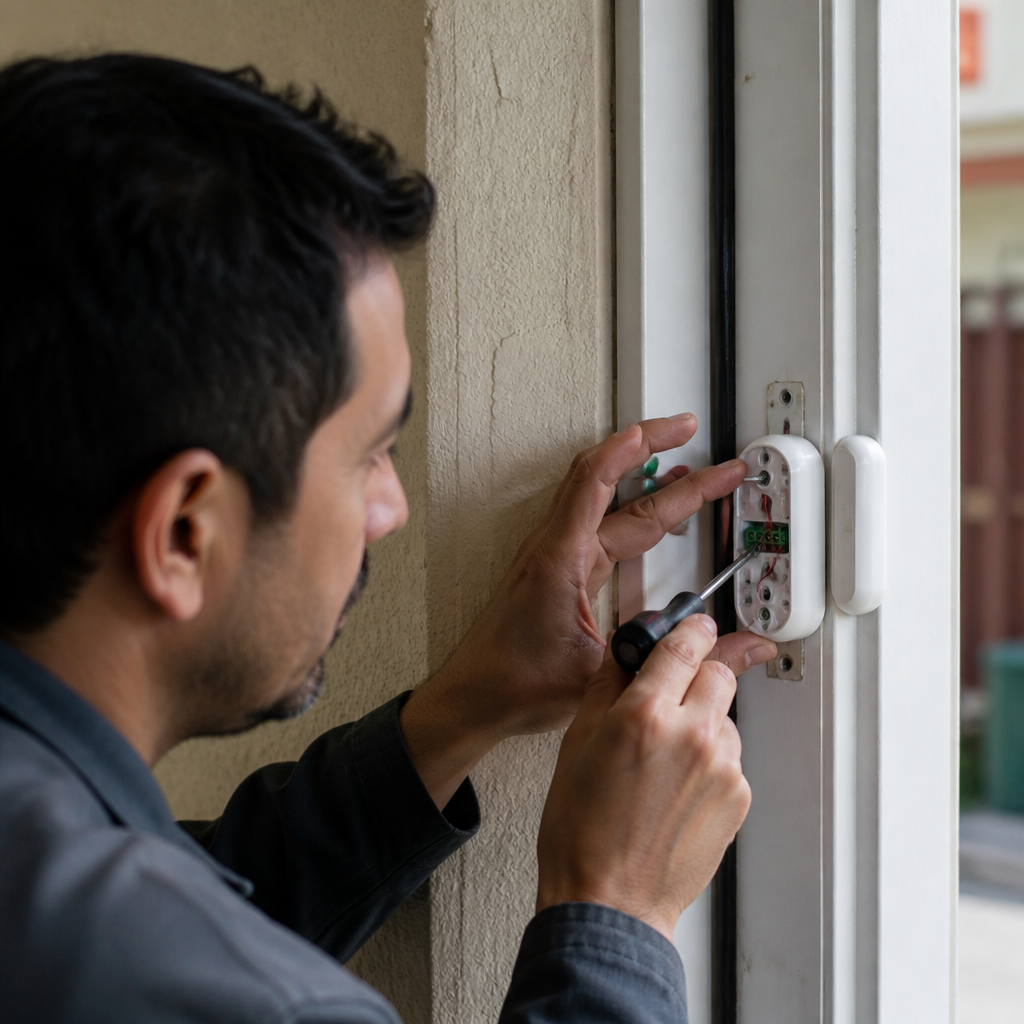
Wireless Anti-Theft Systems: Features and Integration in Modern Homes
Wireless anti-theft systems encompass a broad range of devices—from door/window sensors to motion detectors—that wirelessly communicate with a central hub or smart alarm. These systems emphasize ease of installation and flexibility, critical for retrofitting existing homes without extensive wiring.
The Electronic Security Association (ESA) highlights that wireless anti-theft devices contribute to over 45% of new smart home security installations as of 2023. They are particularly effective in creating perimeter defense layers, immediately triggering alarms and notifications upon breach detection. Key hyponyms include wireless sensor kits, smart locks, and mobile panic buttons.
Types of Wireless Anti-Theft Devices
- Door/Window Sensors: Detect opening events and send immediate alerts.
- Motion Detectors: Use infrared to sense movement inside or outside the home perimeter.
- Smart Locks: Enable remote locking/unlocking and access control notifications.
Due to their wireless nature, these devices easily integrate with smart alarms and AI cameras, creating a seamless, connected security environment.
Strategic Installation Order: What to Install First in a Modern Smart Home?
Based on risk mitigation principles and technology dependency, the recommended installation sequence begins with a smart alarm system to establish a foundational alert mechanism. Next, AI cameras should be installed to provide verification and detailed monitoring, reducing false alarms. Lastly, wireless anti-theft devices should be deployed to strengthen perimeter detection and offer flexibility in expanding security coverage.
A study by the University of California, Berkeley (2023) found that homes installing security systems in this sequence experienced 30% faster response times and 50% fewer false alarms compared to other approaches. This layered installation leverages the unique strengths of each system: the timely alerts of smart alarms, the analytical power of AI cameras, and the flexible deployment of wireless sensors.
Conclusion: A Holistic Approach to Smart Home Security
Smart alarm systems, AI-powered surveillance cameras, and wireless anti-theft devices each play a vital role in modern home security. Defining them respectively as the alert backbone, the intelligent watchdog, and the flexible perimeter guard helps clarify their unique contributions. Prioritizing the installation of smart alarms first establishes a robust security framework, followed by AI cameras for precise monitoring, and wireless anti-theft systems to fill potential coverage gaps.
As smart homes become more interconnected, adopting a staged yet integrated installation strategy maximizes protection while maintaining user convenience and technological synergy. Homeowners are encouraged to assess their property’s specific vulnerabilities and consult professional installers to customize their security setup accordingly.
For further reading, resources such as the National Crime Prevention Council and Security Industry Association provide comprehensive guidelines and updates on evolving smart home security technologies.
More Details